- Written by: Kamran Mofid
- Hits: 9092
First posted on 20 March 2013, updated on 16 April 2024
Let the Cyrus Cylinder Shine Light and Hope in the Darkness Again
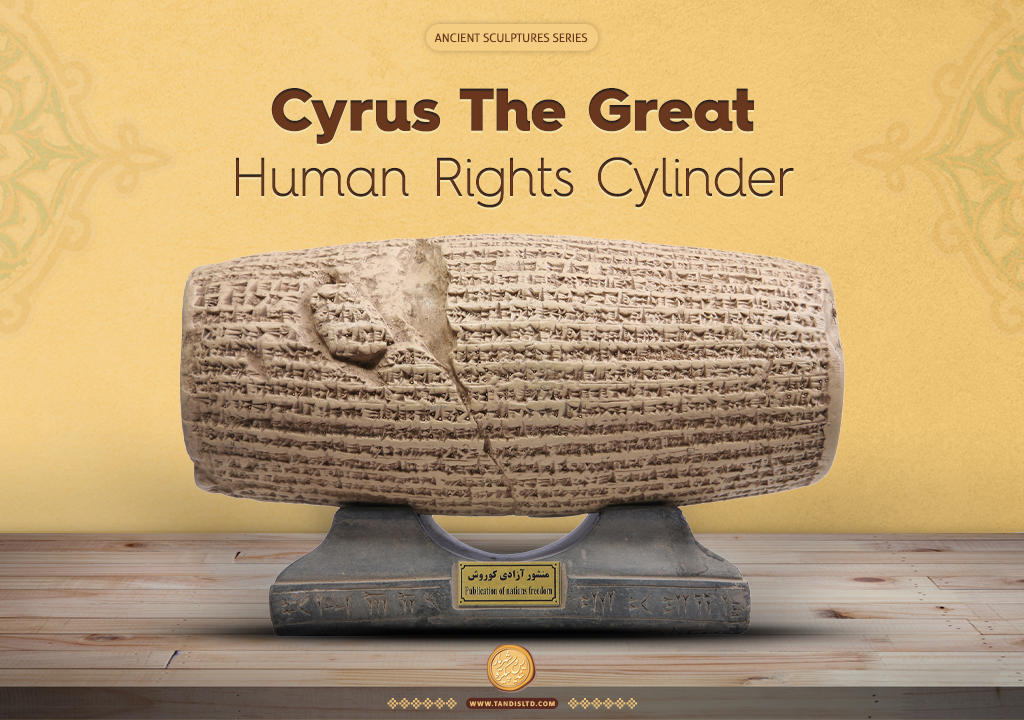
The Cyrus the Great Cylinder is the first charter of right of nations in the world. It is a baked-clay cyliner in Akkadian language with cuneiform script. This cylinder was excavated in 1879 by the Assyro-British archaeologist Hormuzd Rassam in the foundations of the Esagila (the Marduk temple of Babylon) and is kept today in the British Museum in London.
The Cyrus Cylinder: Ancient Persia’s Gift to the World
There can be no Peace without Justice, Human Dignity, Humility and the life-affirming Reverence for Life.
In Civilization and Ethics, Albert Schweitzer has reminded us that: Ethics is nothing other than Reverence for Life. Reverence for Life affords us our fundamental principle of morality, namely, that good consists in maintaining, assisting and enhancing life, and to destroy, to harm or to hinder life is evil.
by Kamran Mofid, Ph.D. (ECON)
It is with horror and absolute sadness that we are all witnessing the children of Abraham tearing each other apart in the Middle East. This is an untold tragedy with immeasurable tragic consequences for all. Many sages and saints have reminded us that war is not the answer. There will be no winners, only losers. Bombs, missiles, rockets, and drones; destruction of bridges, buildings, roads, houses, schools and hospitals, killing of the innocents on all sides, will not bring peace. If these actions were instruments of peacebuilding and peacemaking, then, by now, we should have created paradise on earth, given the number of wars and the consequent destruction that we have had in the past. Indeed, the twentieth century was the bloodiest in human history, with holocausts, genocides, ethnic cleansings, two world wars, and hundreds of inter and intra-national wars.
Now, if war is not the answer, then what is?
- Written by: Kamran Mofid
- Hits: 694
Loneliness: The Silent Pandemic
All Together. All Connected. But All Isolated, Separated and Alone
The message is clear: We must create a path to human connection and interaction, if we care about humanity, civility, health and wellbeing.
Lest it has been forgotten, artificial/virtual relationships aren’t the cure for loneliness - they’re a symptom of it.

Illustration by Chloe Cushman. Photo credit:NBC News
Preface
From time immemorial the yearning for meaningful and shared togetherness has always been powerful. This is what makes us human.
But, today, in this digital/virtual world, I am worried about lonely educators and students, lonely politicians and lonely economists, lonely technology/ IT/computer games designers and developers, lonely children and lonely youth, lonely nurses and doctors, lonely artists and filmmakers, lonely parents and grandparents,...lonely people everywhere…beautifully summed up by the Beatles in Eleanor Rigby:
All the lonely people
Where do they all come from?
All the lonely people
Where do they all belong?
The loneliness epidemic is the blight on our humanity
Rethinking Loneliness: Harnessing New Approaches
A retired academic economist trying to explain how modern life is making us so lonely.
- Written by: Kamran Mofid
- Hits: 166
As the complexity of my life grew, I discovered a gem: The key to Happiness is a simpler living, when life becomes all about finding joys in the simple pleasures of life, being content with solitude, quiet, contemplation, the awe of the daily sunrise and sunset, savouring the moment, the centrality of family and friends, the anchors that have kept me afloat in often stormy and challenging seas.
The wisdom and the healing power of simplicity: The day I discovered the wisdom of William Morris
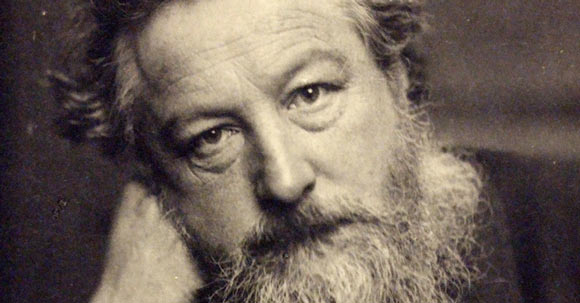
William Morris, photographed by Frederick Hollyer in 1884. Photograph: © National Portrait Gallery, London
Nota bene
I had heard about William Morris, but I knew next to nothing about who he was. I can vaguely remember years and years ago visiting an old house in Coventry. I commented on an old-looking, but amazingly beautiful wallpaper in the hall and the landing. Our guide told me it was by William Morris, the Arts & Crafts Movement, you know! That was it!
- A Must-read Book: A Book that resonates with me in my search for belonging
- A moment that changed me: The day I discovered that indeed small is beautiful
- A moment that changed me: The day I saw the ruins of Coventry Cathedral
- Reimagining trust and trustworthiness at Davos Forum
- Economics as Enabler and Economists as Empowerers of the Good Life and the Good Society