
- Details
- Written by: Kamran Mofid
- Hits: 2339
A Churchill history lesson for Brexit Britain
As Churchill saw it in 1946, Britain’s glory was not to be found in isolation and pseudo-nationalism
Boris Johnson, a best-selling biographer of Winston Churchill, who also sees himself as a modern-day Churchill, has claimed the Great Man for the side of Brexit.
Writing below I offer the contrary argument that “everything we know” about Churchill suggests that he would “be a committed voter to remain” inside the European Union.
Thus, to my mind, like on many other issues, Boris Johnson has been economical
with truth and therefore has cheated us all again
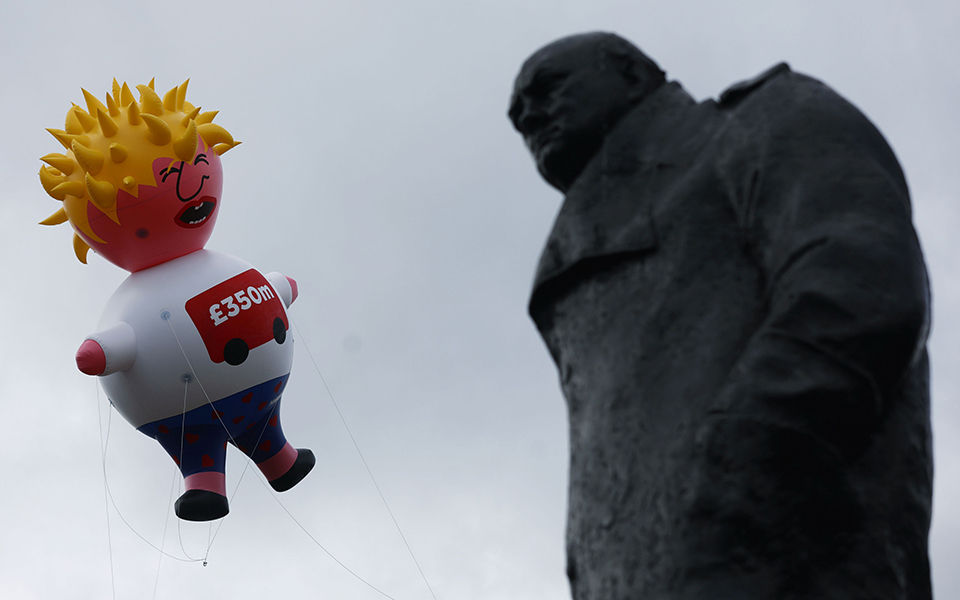
A blimp depicting Boris Johnson hovers near a statue of Winston Churchill.SIMON DAWSON / REUTERS
Lest We Forget
EU has always been a Peace Project First and Foremost
Europe and the Europeans all together for the Common Good in Unity and Hope
“By the strength of our common endeavour we achieve more than we achieve alone.”
‘It was always lost on Brexiteers – but the EU is fundamentally about peace.’
“The Most Successful Peace Project in the History of Mankind”
And Churchill understood and appreciated this. What a pity that the current Tories are so ignorant of his vision and dream.
Winston Churchill valued a united Europe
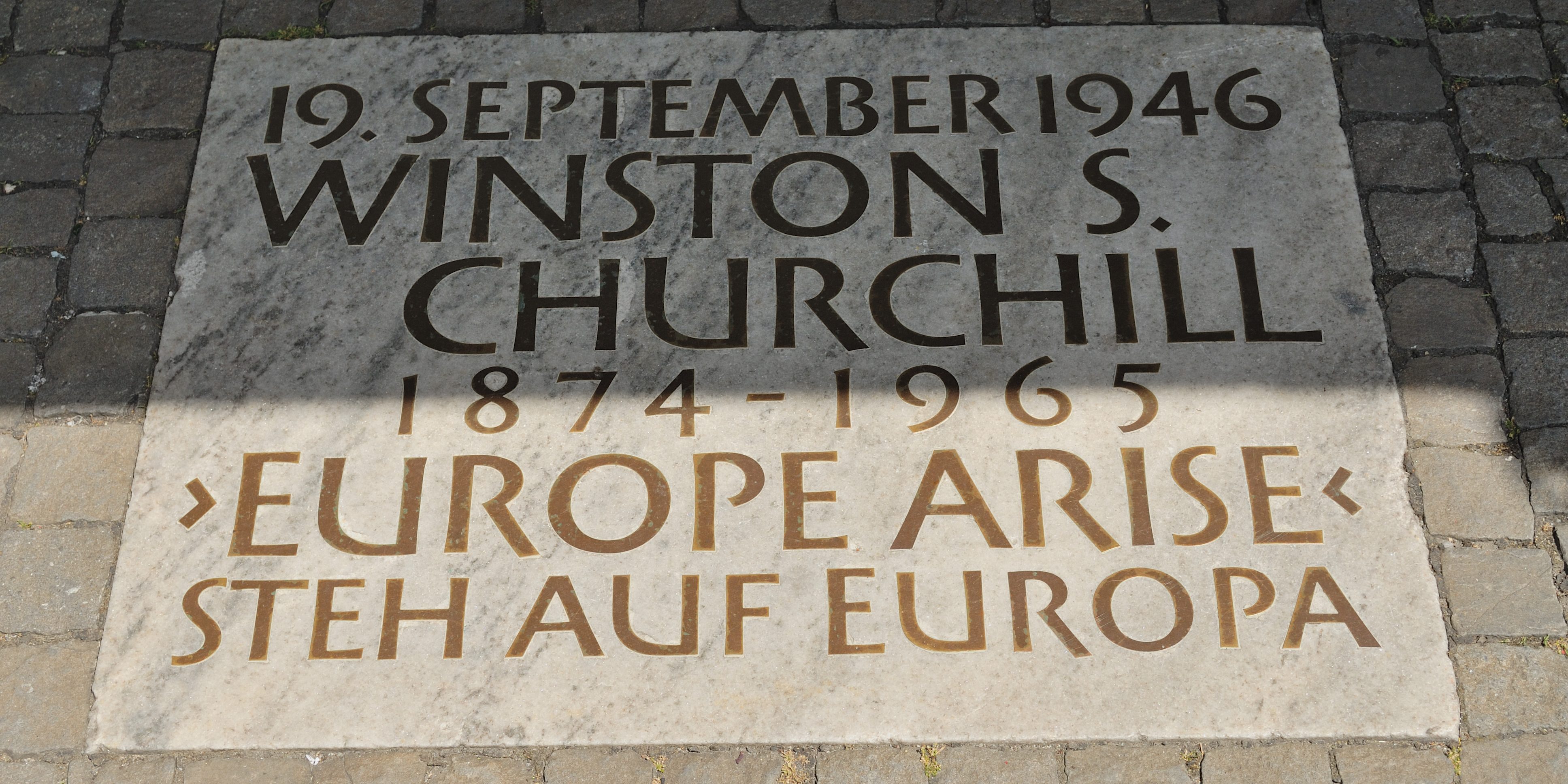
Commemorative plaque for the speech of Winston Churchill at the University of Zürich.
The final sentence: “Therefore I say to you: let Europe arise!”
“We hope to see a Europe where men of every country will think as much of being a European as of belonging to their own native land, and that without losing any of their love and loyalty of their birthplace. We hope wherever they go in this wide domain they will truly feel ‘Here I am at home. I am a citizen of this country too.”
Brexiteers forget that their hero knew exactly what was needed to maintain lasting peace after the Second world war
Being no longer Britain's Prime Minister Winston Churchill spent much time touring Western Europe in 1946 and received widespread public homage. On September 19th he delivered his most memorable speech of that period addressing the academic youth at the old university in Zurich.
Winston Churchill: called for a United States of Europe
Let Europe Arise! - Winston Churchill Great Speeches that Made History
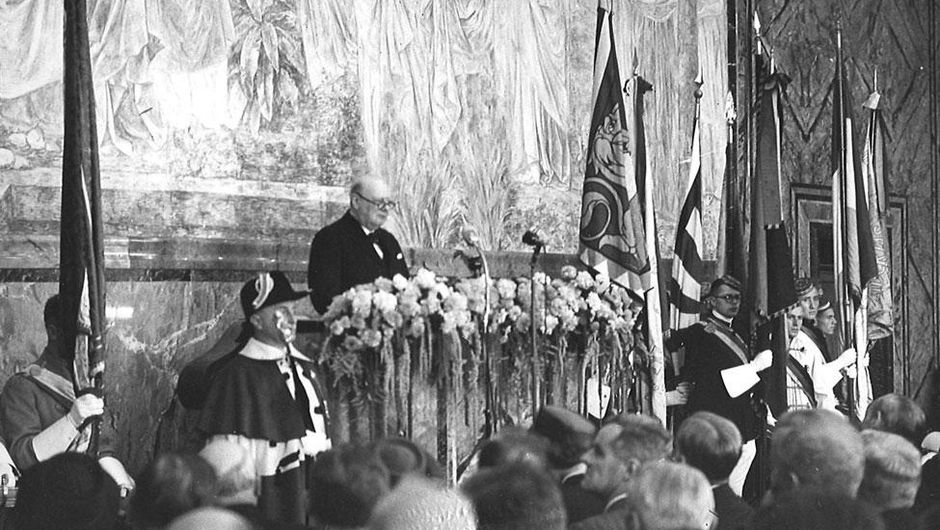
On September 19, 1946, at the University of Zurich, Winston Churchill delivered one of his most famous speeches.
He advocated for a United States of Europe and for forgiveness between France and Germany.
He warned that the horrors of the past could still be repeated without fundamental change.
Watch this historical moment HERE
Churchill – a `founding father’ of the European Union
'Winston Churchill, a former army officer, war reporter and British Prime Minister (1940-45 and 1951-55), was one of the first to call for the creation of a ‘United States of Europe’. Following the Second World War, he was convinced that only a united Europe could guarantee peace. His aim was to eliminate the European ills of nationalism and war-mongering once and for all. He formulated his conclusions drawn from the lessons of history in his famous ‘Speech to the academic youth’ held at the University of Zurich in 1946: “There is a remedy which ... would in a few years make all Europe ... free and ... happy. It is to re-create the European family, or as much of it as we can, and to provide it with a structure under which it can dwell in peace, in safety and in freedom. We must build a kind of United States of Europe.” Thus the driving force behind the anti-Hitler coalition became an active campaigner for Europe’s cause.
It should also be remembered that in 1948 Churchill presided the Congress at The Hague leading to the establishment of the Council of Europe and the European Court for Human Rights’- The two institutions that Brexiteers despise!!
In short, this was the recommendation of a man who, for much of his life, had been at the heart of British, European and global politics, and a witness to a fragmented continent, including extreme nationalism, wars and destruction. To my mind, our eventual membership was surely in keeping with his thinking.'
Winston Churchill: calling for a United States of Europe
Winston Churchill, speech delivered at the University of Zurich, 19 September 1946
……
Brexit is a House of Cards Built on Shifting Sands: Its Foundation was Built on a Pack of Lies
- We send £350m a week to Brussels
- We can’t stop Turkey joining
- We can’t stop a European army
- We are still liable to pay eurozone bailouts
- The UK rebate can be changed against our will
- Our VAT exemptions will be ended
- Cameron’s deal was not legally binding
- EU law is adopted by unelected bureaucrats
- We can’t control our borders in the EU
- Criminals arriving in Germany can get EU passports and come over here
- Health tourism costs us billions
- EU needs UK trade more than vice versa
- Past referendum results have been ignored
- Auditors still refuse to sign off the accounts
- CAP adds £400 to British food bills
- British steel suffers because of the EU
- Irish border will be unaffected by Brexit
- UK can’t deport EU criminals
- UK is always outvoted
- 60-70% of laws come from EU
- Renationalisation of industries is impossible
- We get no veto on future treaty change or integration
- The budget ceiling can increase without our consent
- We thought we were only joining a free trade zone
- (Compiled by Richard Corbett MEP, Leader of the Labour Members of the European Parliament)...Continue to read
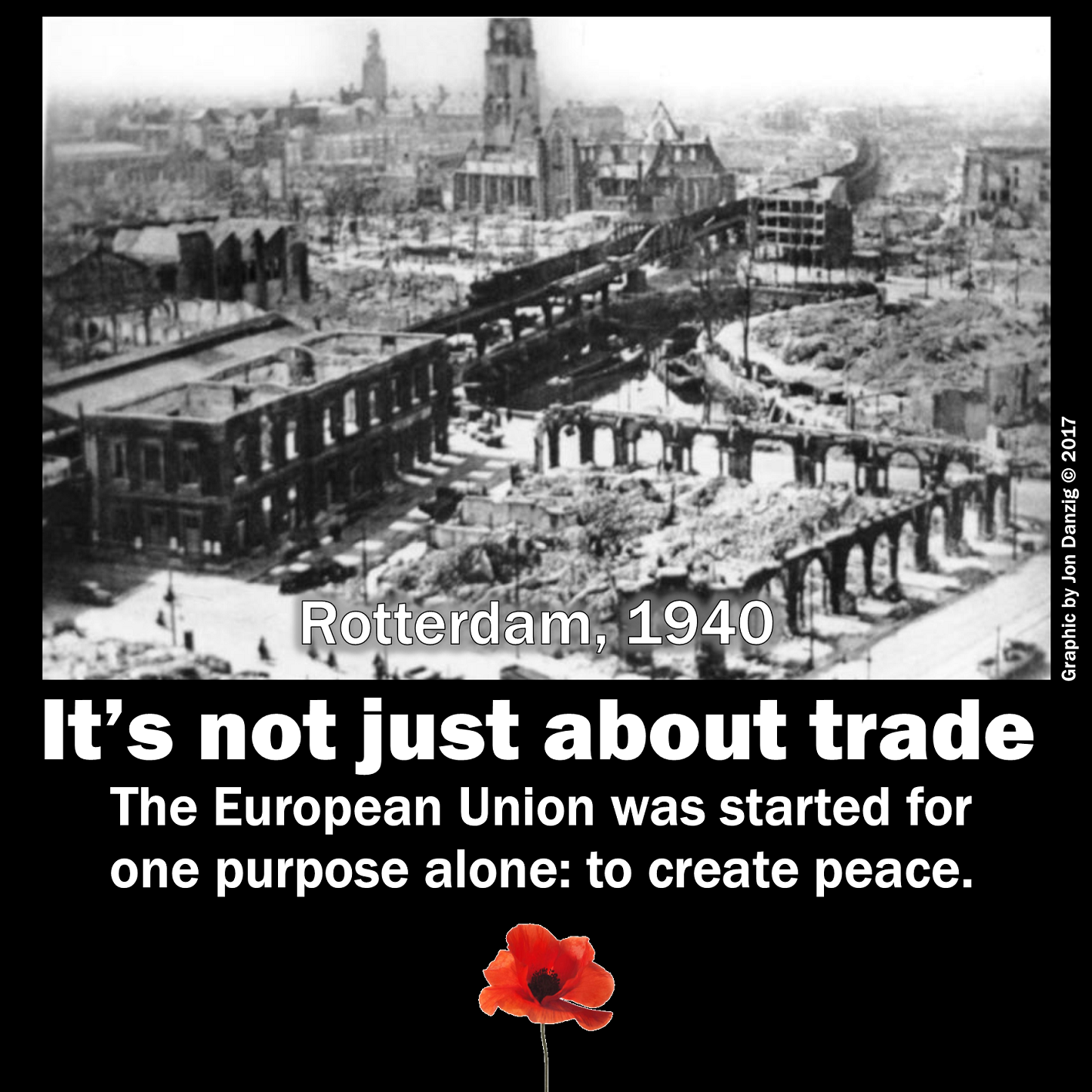
The Folly and Ignorance of Brexit to Grasp the TRUTH:
EU has always been a Peace Project First and Foremost
......
The Longest Suicide Note in History:
If this is not a sign of total madness, then what is it?
Leaving the Greatest Peace Project for a Shabby Pseudo independence
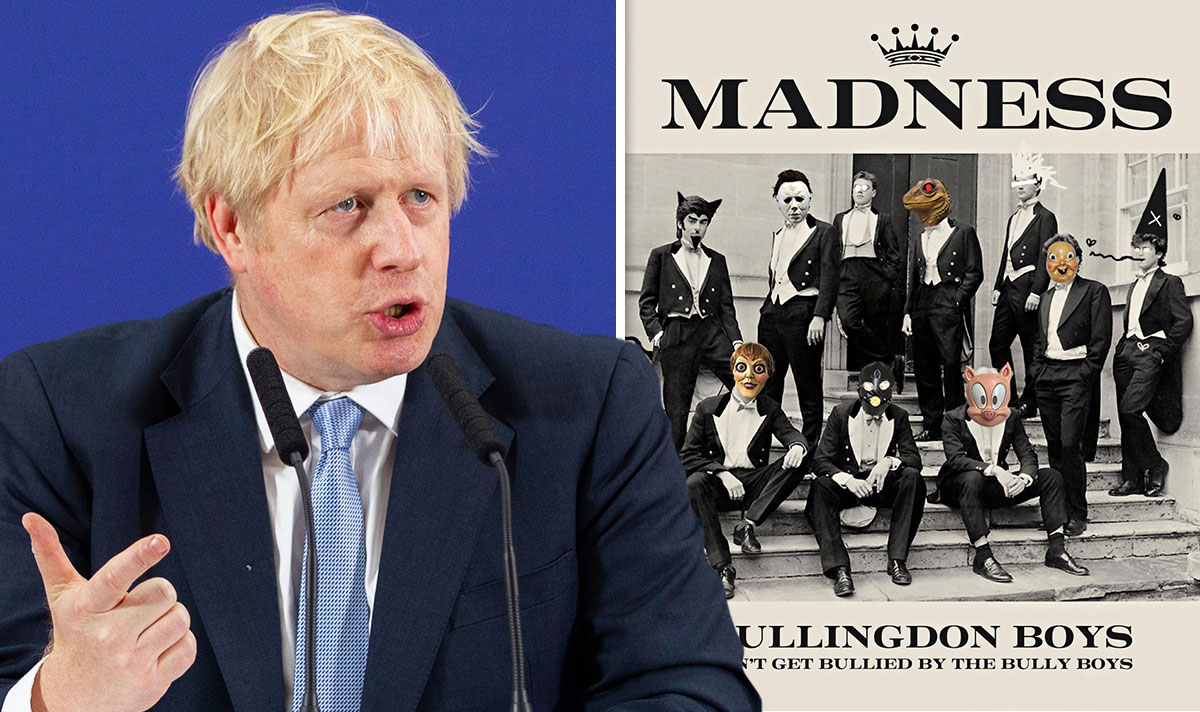
Photo: twitter
‘The Eton Boys are undefiled
The Bullingdon Boys, running wild
And England slides into the mist
No hope they’ll cease nor desist
They're making England great again
Make way for the bagmen
And when everything's been sold and bought
We'll soon be off the life support
This is an English public school
This is where Britain raised its empire
Rulers of yesterday
And still trains the leaders of tomorrow
They're making England great again
Make way for the bagmen
And when everything's been sold and bought
We'll soon be off the life support.’
Watch the video: Madness - The Bullingdon Boys
Time to Rejoice, Time to Celebrate!
The Eton Boys, The Bullingdon Boys, The Chosen and Exceptional Few,
Got their Brexit Done and Gifted us with ‘INDEPENDENCE’!!!
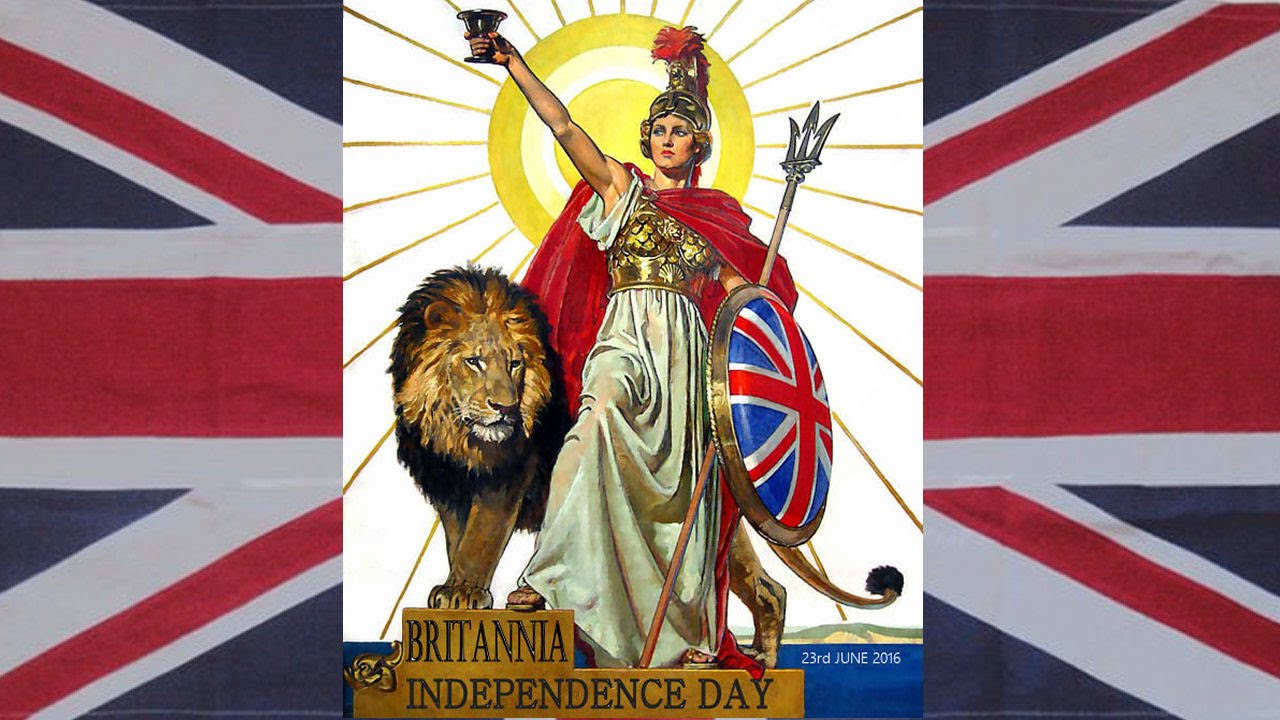
Photo: YouTube-Britannia Independence Day - Leave and Brexit
Not long to go before, what, some of our most ‘distinguished’ and ‘honourable’ leaders, such as Nigel Farage, Boris Johnson, Michael Gove, Dominic Cummings, and Jacob Rees-Mogg- to name but a few- have called ‘The Independence Day’, when Britain will free itself from the shackles and chains of European imperialism and colonisation, and becomes great again.
The Independence Day Coming to a Cinema Near You on 1 January 2021
Great Again? Think Again!
And now watch George Monbiot explaining the falsehood and the lies of Great Again!
- Details
- Written by: Kamran Mofid
- Hits: 1546
As in 1028 and 1946 in 2021 Britain is facing its moment of reckoning
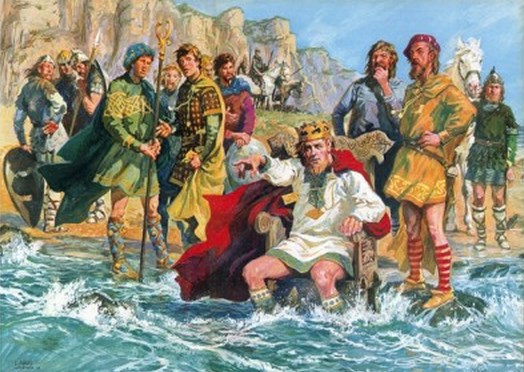
Photo:Pinterest
Britain in 2021: When Pandemic Meets Brexit
What a crying shame when a great civilisation, culture and a beautiful green pleasant land, in the midst of a deadly pandemic, unprecedented economic and financial crises and huge level of personal and national indebtedness, can only be concerned about if it is going to become like Norway or Switzerland or Canada, US, Japan, China, India or Australia, or anywhere else for that matter, as it fully embraces its Brexit on 1 January 2021 and it ‘Takes Back Control’ and becomes ‘Independent’ again.
First a bit of History for Those Who Never Learn from it
Brexit and the Dismal Reality of “Take Back Control”
‘In at least one respect, Britain has gone backward in the past thousand years. In 1028, according to legend, King Cnut sat on his throne on a beach in the west of England and commanded the tide to stop rising. The tide disobeyed, and the king had to leap from his throne to escape the rising sea.
The point of the story is not that Cnut was an idiot, but that his courtiers were. They had wanted him to demonstrate his power. Had one of them been an ancestor of Dominic Cummings, UK Prime Minister Boris Johnson’s chief adviser, he would doubtless have told Cnut to take back control. Cnut went along with the ploy, not to show that he was all-powerful, but to prove that he wasn’t.
Today, Johnson lacks Cnut’s self-awareness. Egged on by the campaigners for Brexit, he insists that Britain will flourish, whatever the UK’s relations with the EU will be when the current transition phase—in place since Britain left on January 31, 2020—ends in December.
On October 16, the prime minister warned that the UK might enter 2021 without a deal on the future relationship with the EU and be forced to trade on World Trade Organization terms. With no hint of doubt or irony, he advised Britons to embrace this prospect “with high hearts and complete confidence.”
This was the economic equivalent of promising to stop the tides. King Cnut would never have believed such nonsense.’...Peter Kellner
…...
Winston Churchill valued a united Europe
Commemorative plaque for the speech of Winston Churchill at the University of Zürich.
The final sentence: “Therefore I say to you: let Europe arise!”
“We hope to see a Europe where men of every country will think as much of being a European as of belonging to their own native land, and that without losing any of their love and loyalty of their birthplace. We hope wherever they go in this wide domain they will truly feel ‘Here I am at home. I am a citizen of this country too.”
Brexiteers forget that their hero knew exactly what was needed to maintain lasting peace after the Second world war
Being no longer Britain's Prime Minister Winston Churchill spent much time touring Western Europe in 1946 and received widespread public homage. On September 19th he delivered his most memorable speech of that period addressing the academic youth at the old university in Zurich.
Winston Churchill: calling for a United States of Europe
Let Europe Arise! - Winston Churchill Great Speeches that Made History
On September 19, 1946, at the University of Zurich, Winston Churchill delivered one of his most famous speeches. He advocated for a United States of Europe and for forgiveness between France and Germany. He warned that the horrors of the past could still be repeated without fundamental change.
Watch this historical moment HERE
Churchill – a `founding father’ of the European Union
'Winston Churchill, a former army officer, war reporter and British Prime Minister (1940-45 and 1951-55), was one of the first to call for the creation of a ‘United States of Europe’. Following the Second World War, he was convinced that only a united Europe could guarantee peace. His aim was to eliminate the European ills of nationalism and war-mongering once and for all. He formulated his conclusions drawn from the lessons of history in his famous ‘Speech to the academic youth’ held at the University of Zurich in 1946: “There is a remedy which ... would in a few years make all Europe ... free and ... happy. It is to re-create the European family, or as much of it as we can, and to provide it with a structure under which it can dwell in peace, in safety and in freedom. We must build a kind of United States of Europe.” Thus the driving force behind the anti-Hitler coalition became an active campaigner for Europe’s cause.
It should also be remembered that in 1948 Churchill presided the Congress at The Hague leading to the establishment of the Council of Europe and the European Court for Human Rights’- The two institutions that Brexiteers despise!!
In short, this was the recommendation of a man who, for much of his life, had been at the heart of British, European and global politics, and a witness to a fragmented continent, including extreme nationalism, wars and destruction. To my mind, our eventual membership was surely in keeping with his thinking.'
Winston Churchill: calling for a United States of Europe
Winston Churchill, speech delivered at the University of Zurich, 19 September 1946
……
Then, it must never be forgotten that the Brexit referendum vote and those who sold the idea to leave the EU, never told the British voters what leaving meant; they did not tell us what Brexit would really look like. The British people had voted to leave the European Union but did that mean leaving the EU so we became like Norway or Switzerland or Canada, US, Japan, China, India or Australia, or anywhere else for that matter?
......
Brexit is a House of Cards Built on Shifting Sands: Its Foundation was Built on Pack of Lies
- We send £350m a week to Brussels
- We can’t stop Turkey joining
- We can’t stop a European army
- We are still liable to pay eurozone bailouts
- The UK rebate can be changed against our will
- Our VAT exemptions will be ended
- Cameron’s deal was not legally binding
- EU law is adopted by unelected bureaucrats
- We can’t control our borders in the EU
- Criminals arriving in Germany can get EU passports and come over here
- Health tourism costs us billions
- EU needs UK trade more than vice versa
- Past referendum results have been ignored
- Auditors still refuse to sign off the accounts
- CAP adds £400 to British food bills
- British steel suffers because of the EU
- Irish border will be unaffected by Brexit
- UK can’t deport EU criminals
- UK is always outvoted
- 60-70% of laws come from EU
- Renationalisation of industries is impossible
- We get no veto on future treaty change or integration
- The budget ceiling can increase without our consent
- We thought we were only joining a free trade zone
- (Compiled by Richard Corbett MEP, Leader of the Labour Members of the European Parliament)...Continue to read
......
So, They Got Their Brexit Done!
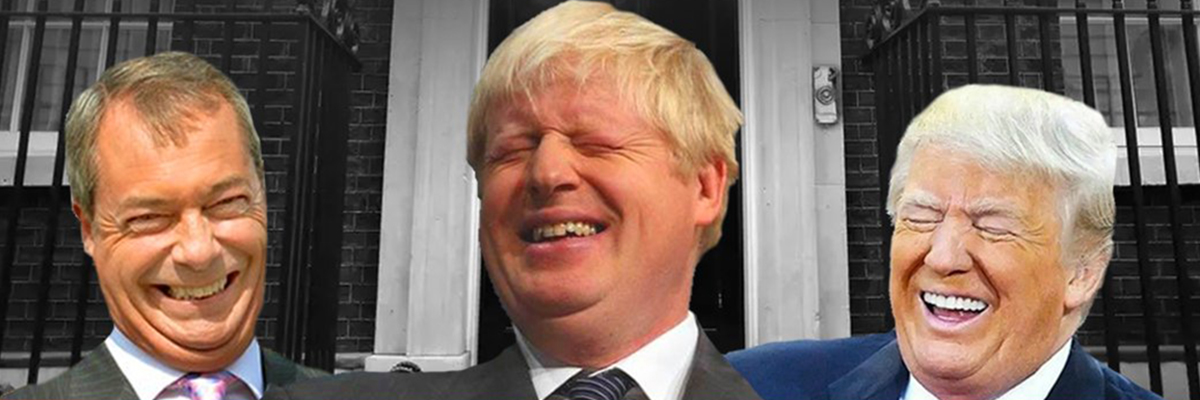
Photo:libdems.org.uk
‘Brexit has happened. It is a defeat to be mourned.’
THIS ENGLISH BREXIT- Canon Dr Paul Oestreicher
The Disintegration of this Disunited Kingdom- Canon Dr Paul Oestreicher
One Wonders: Is These Guys’ ‘Independence’ Worth It?
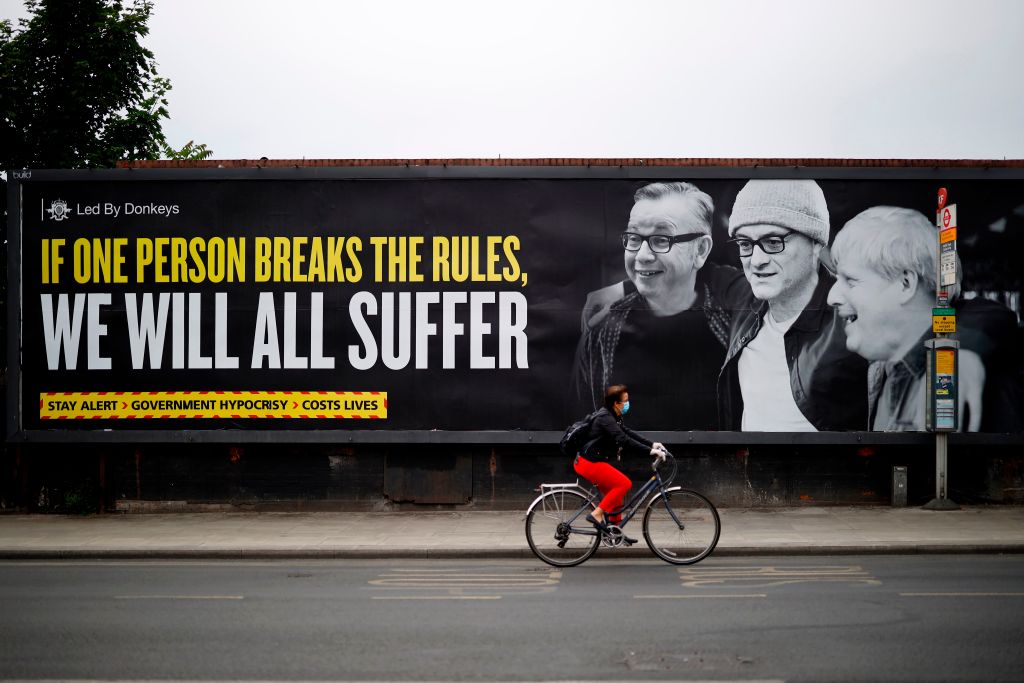
Photo: Creator: TOLGA AKMEN | Credit: AFP via Getty Images
The ‘Independence Day’, Not Long to Go!
...And finally,
Lest We Forget
Our ‘Greatness’ consists in our ability to project ‘Goodness’ and apply our power to build Kindness and Fairness
Goodness is the Foundation of Greatness
‘Dom of Barnard Castle’ is gone: This is How I Will Make Britain and Boris Good and Great
- Details
- Written by: Kamran Mofid
- Hits: 1767
Europe and the Europeans all together for the Common Good in Unity and Hope
“By the strength of our common endeavour we achieve more than we achieve alone.”
‘It was always lost on Brexiteers – but the EU is fundamentally about peace.’
“The Most Successful Peace Project in the History of Mankind”
“When you look at the devastation of two World Wars in the 20th century and the Holocaust, and you now look at over 70 years of peaceful coexistence on the European continent, it’s the longest period of peace we have ever known. This has been the most successful peace project in history — probably of mankind.”- EU Ambassador to the United States David O’Sullivan
‘The European Economic Community – later to be called the European Union – was started in the aftermath of the Second World War with one purpose and one purpose alone: to avoid wars on our continent ever happening again. That was the passionate resolve of those who are regarded as the eleven founders of the European Union, including our own war leader, Winston Churchill.’- Photo and Caption: The EU was started for one purpose: peace
‘Brexit has happened. It is a defeat to be mourned.’
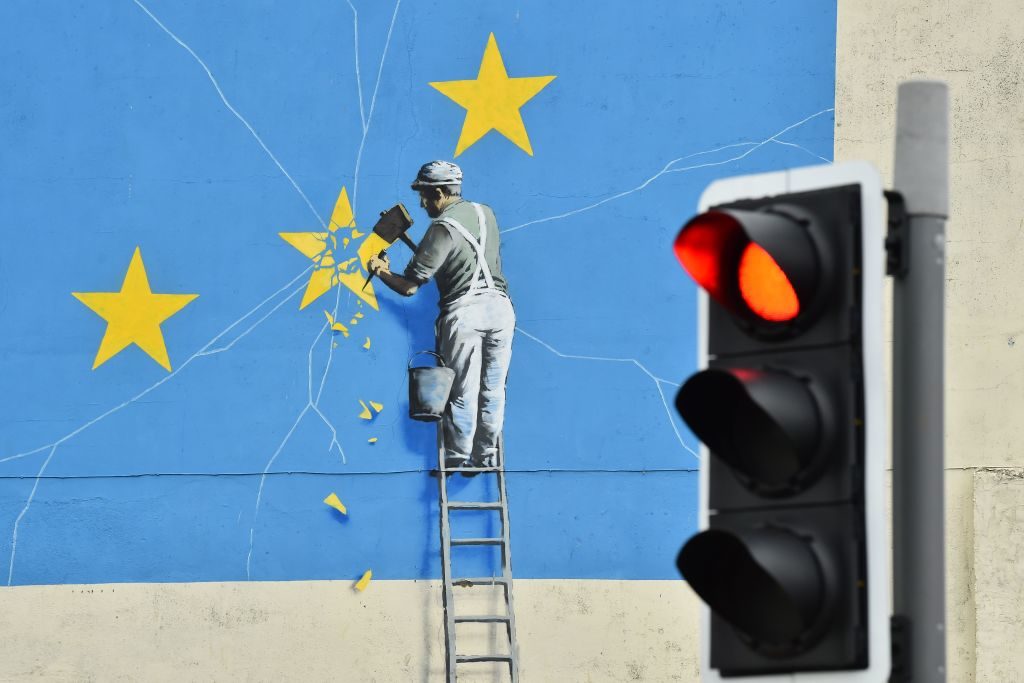
‘A powerful statement on Brexit by Banksy. The three-story mural, which depicted a labourer chipping away at one of the yellow stars on a blue European Union flag, appeared in January in Dover, a port city on the English Channel that looks out onto continental Europe. It was installed near the ferry terminal in May 2017 and quickly became a melancholy symbol of what the country stood to lose from Brexit.’- Banksy's Dover mural. Photo by Glyn Kirk/AFP/Getty Images.
......
‘The power of bad ideas can be extraordinarily strong. And the capacity of really intelligent people to go for very silly ideas is astonishing. To be sure, the arguments that led to the narrow victory of Brexit in the referendum on the 23rd of June 2016 contained many falsehoods (like how much money Britain would save by leaving Europe) and many fabricated fears (like how many people from abroad would inescapably immigrate to Britain if there were no departure from Europe). But there were also many genuinely deceptive convictions that found sponsors and believers in the confused debate surrounding the Brexit vote.’- The folly of Brexit, Amartya Sen, Nobel prize economist, fellow, Trinity College, Cambridge.
......
The humbling of Britain
The “enemies of the people” are not those opposing Brexit, but the reckless politicians
who have brought us to this act of self-harm.
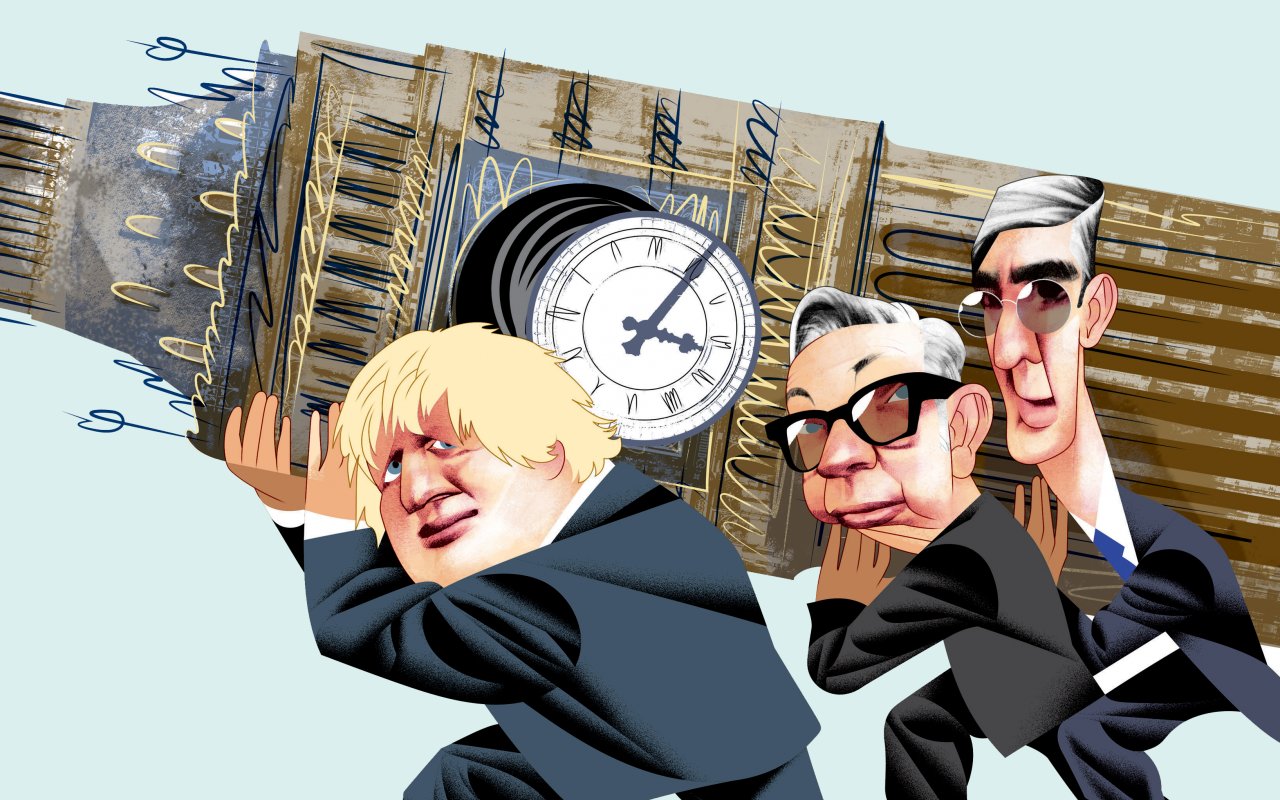
Photo: New Statesman
‘This is not “taking back control”. This is not the proud, independent,
liberated Britain that the Brexiteers promised.
'It is grotesque, calamitous, an epic act of self-harm brought about not by some war or disaster but by our own stupidity. And the true “enemies of the people” are not those opposing this catastrophic Brexit. They are not the million decent people from every background who marched in London last Saturday, or the five million who have petitioned to revoke Article 50, but those whose lies, zealotry, and political recklessness have all but broken Britain. For posterity’s sake, those self-styled “patriots” who have so grievously betrayed their country should be named and shamed.’- The humbling of Britain
And now watch George Monbiot explaining the falsehood and the lies of Brexit and the lies of the past…, holding and stopping Britain from moving forward with hope, care and kindness to build a better country.
......
‘The 75th anniversary of the Nuremberg trials puts the fantasy of resistance
to tyrannical Brussels into proper perspective.’
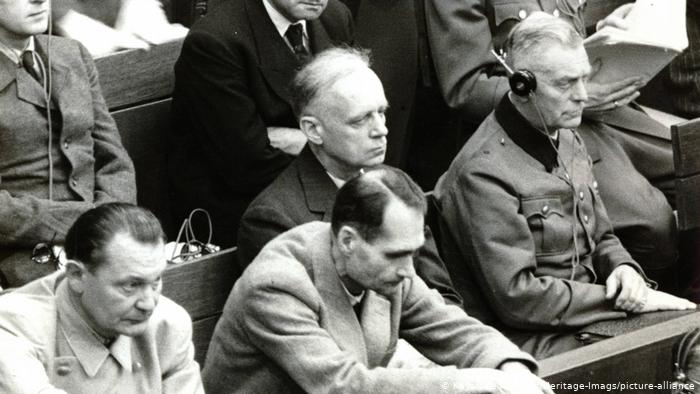
War criminals on trial
‘Twenty-one defendants were tried in 1945 and 1946 before the International Military Tribunal, a court that had been created specifically for the task of prosecuting war crimes. Among them were Nazi party functionaries, senior military officers, civil servants, diplomats and industrialists — and all had served the Nazi regime.’- Photo and caption: Nuremberg Trials: Nazis facing judgment
......
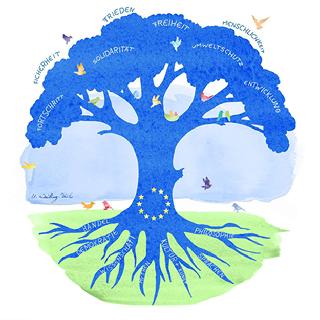
EUROPAEAN TREE OF LIFE
'And now more than ever: blossoming and bearing fruit together!
Cross-border understanding, solidarity and peace are of great concern to me. Only together can we live well and safely and take care of the urgent problems of our environment.'- Photo and caption: Drawing for Europe
“For me seeing the EU, mainly as a Peace Project, means that we all, as a whole gain more in Europe, as Winston Churchill so eloquently noted in his speech in The Hague in 1948:
“If we all pull together and pool the luck and the comradeship … and firmly grasp the larger hopes of humanity, then it may be that we shall move into a happier sunlit age, when all the little children who are now growing up in this tormented world may find themselves not the victors nor the vanquished in the fleeting triumphs of one country over another in the bloody turmoil of … war, but the heirs of all the treasures of the past and the masters of all the science, the abundance and the glories of the future.”- Eurosceptics should visit Coventry Cathedral: The EU's Higher Purpose
‘Absent from British politics is any account of what happens if the prophecy was wrong. What if memory triumphs over forgetting, and the European project is resilient? There is a Brexit story that casts the EU as a basket case – a burning building from which Britain escaped just in time – and there is a Brexit story that casts Brussels as the tyrant that hoards sovereignty. The leavers have no concept of European success – no map for Britain to advance alongside an EU that sticks to the path that it took out of the abyss 75 years ago. What if a plan for stability and prosperity through peaceful cooperation works? That is a future Brexiteers cannot imagine, because it is the past they chose to forget.’- More on this a bit later.
Nota bene
Eurosceptics should visit Coventry Cathedral: The EU's Higher Purpose
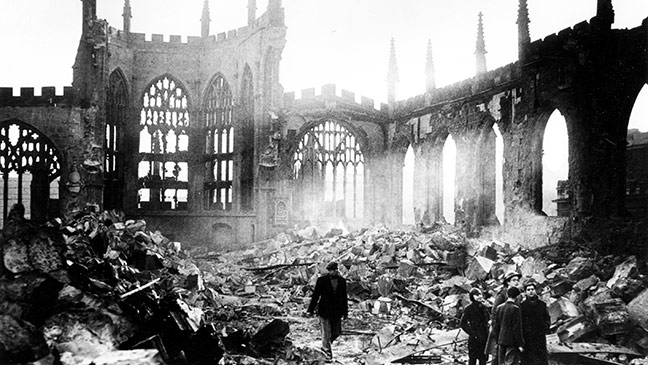
Photo: Pinterest
"Healing the wounds of history, learning to live with difference and celebrate diversity, and building a culture of peace and justice in the interest of the common good"
This is the Europe that Coventry Story encourages us to believe in
‘European Union (EU) is not merely a free-trade area, or just a marketplace for economic activity, it is a region of the human spirit. It is a place of our moral and spiritual compass to build a better world in the interest of the common good. Like anything else in life, the EU, as an institution, is not perfect. It needs to be improved; and most importantly, rather than retreating from the EU, the best way to avoid further crises would be to reform the European institutions to make them stronger...
This is why I firmly believe that the Eurosceptics in Britain, and indeed elsewhere in Europe, should come to Coventry and visit Coventry Cathedral, to witness the folly, stupidity and inhumanity of war and to reflect and think about the beauty, wisdom and the relevance of Coventry’s message of hope, forgiveness and reconciliation for Europe today.’- Eurosceptics should visit Coventry Cathedral: The EU's Higher Purpose
......
‘It was always lost on Brexiteers – but the EU is fundamentally about peace.’
By Rafael Behr Via The Guardian
“I would rather not shake hands with a German of my age,” says Colette Marin-Catherine. “But I give all possible credit to the generations that came after.” There is steel in the elderly voice, but no anger.
When Colette was 16, her older brother, Jean-Pierre, was deported to a German concentration camp. He was put to work as a slave labourer in underground tunnels assembling V2 rocket-propelled bombs. He died weeks before the camp was liberated by US soldiers. Brother and sister had both been active in the French resistance, but Colette escaped capture. She refused to set foot in Germany for another 74 years.
Last year, Colette was persuaded by a young French historian to end the personal boycott and visit the site of her brother’s death. Their trip together is the subject of a short film, Colette, released this week. It is a portrait of an intimate grief, locked away for decades, then entrusted to younger hands for safekeeping. It is one victim’s story, redeemed from the anonymity of mass slaughter, pulled from the tide of forgetting. The witnesses will not be with us forever. “Remember, I am 92 years old,” Colette tells me from her apartment in Normandy. “If you have something to ask, you had better take the opportunity now.”
This week is also the 75th anniversary of the start of the first Nuremberg trial of Nazi war criminals. A military tribunal in the smouldering ashes of war was not the perfect court, but the reckoning had to begin somewhere. Nuremberg was the site of annual Nazi rallies. “Nuremberg laws” were the legal blueprint for genocide. It was the right place to put the monstrosity of the Third Reich in the dock, but the task demanded a new apparatus of international justice, a new vocabulary of rights common to humanity.
The Europe we have now is just one of many that might have crawled out of the abyss in 1945. It describes a choice: cooperation and integration over nationalism and militarism. How probable was that outcome? Chaos and war were the precedents. It was not obvious to Colette as a teenager that she would live to see the frontier between France and Germany dissolved. “Now it seems normal that the era of frontiers is obsolete,” she says. “You can try to stop people, but you cannot stop money crossing. You cannot stop a virus. What is it for, this border? You tell me.”
The founding story of the EU, the boring miracle of reconciliation through trade, has never resonated in Britain for various reasons. The European project was viewed with disdain until its success provoked envy. UK accession in 1973 was sold to the public as a remedy for economic decline, even by those in favour. It sounded like Britain was capitulating to pushy continentals. That ambivalence is conveyed in a 1979 interview with Margaret Thatcher lamenting Britain’s lack of competitive edge. “I can’t bear it,” she says. “We, who either defeated or rescued half Europe, who kept half Europe free when otherwise it would be in chains! And look at us now!”
Thatcher went on to drive the creation of the single market – a huge achievement now cherished by the European commission and rejected by the current Tory prime minister. But Brexit was never about economics. The promise was independence, which could never be realised because there was no enemy imposing dependency. The relationship with Europe is vital, not coercive. But accepting parity with Germany, even in the 21st century, seems to animate some atavistic fear of losing the moral distinction between winners and losers in 1945.
The Brexit fantasy of resistance against tyranny is grotesque when set against the sacrifice made by people such as Colette, who defied fascism when it kicked down their doors. Britain basks in the luxury of not knowing how it might have responded to occupation, although the Channel Islands are a guide. The pattern of collaboration there was the same as everywhere else. Meanwhile, the Home Office monitored hundreds of Nazi sympathisers across Britain. Eager fifth columnists sought out Gestapo agents, hoping to be recruited for sabotage missions.
“Don’t forget, man is wolf to man,” Colette says. “In every country, in every civilisation and for as long as the world has been around.” The contagion of hatred that she witnessed as a child was not confined to a historical moment. “It’s like Covid. It can appear anywhere.”
Memory is the vaccine, preserved in memorials, transmitted down generations in the hope of reaching herd immunity. But if it is not taken up, and witnesses fall silent, the antibody count in the cultural bloodstream declines.
The idea of “Europe” as a peace project is already becoming a museum piece in Britain, a sepia-toned ambition in a glass cabinet, admired by the few who seek it out. David Cameron referred to it once in a speech during the referendum campaign. “Europe had a violent history. We’ve managed to avoid that, and so why put at risk the things that achieve that?” The leave campaign ridiculed the speech. Boris Johnson said Cameron was conjuring the threat of “German tanks crossing the French border”. The remain side dropped the subject.
No member state is hurrying to follow Britain’s example, but European idealists worry about the gap between political reality and the ethical foundations of the project. Liberal democracy is being hollowed out by ultra-nationalists in Hungary and Poland. Far-right parties across the continent have seeded the mainstream with their interpretation of Europe as a white Christian entity under siege by encroaching Islam. They cultivate nostalgia for a lost era of ethnic homogeneity, and demand integration from the religious minority, glossing over the story of how Europe made itself more Christian by murdering Jews. Assimilation was no sanctuary.
Liberal politicians in EU capitals are better at expressing alarm about that tendency than finding strategies to reverse it. British Eurosceptics revel in continental disunity because it supports their view that the whole enterprise is unsustainable. Since there is no economic benefit from Brexit, its dodgy prophets crave vindication in a great unravelling that they can then claim to have foreseen.
Absent from British politics is any account of what happens if the prophecy was wrong. What if memory triumphs over forgetting, and the European project is resilient? There is a Brexit story that casts the EU as a basket case – a burning building from which Britain escaped just in time – and there is a Brexit story that casts Brussels as the tyrant that hoards sovereignty. The leavers have no concept of European success – no map for Britain to advance alongside an EU that sticks to the path that it took out of the abyss 75 years ago. What if a plan for stability and prosperity through peaceful cooperation works? That is a future Brexiteers cannot imagine, because it is the past they chose to forget.’- See and read the original article HERE
*The film Colette, directed by Anthony Giacchino and produced by Alice Doyard, was commissioned by Guardian Documentaries
……
So, They Got Their Brexit Done!
Photo:libdems.org.uk
‘Brexit has happened. It is a defeat to be mourned.’
THIS ENGLISH BREXIT- Canon Dr Paul Oestreicher
The Disintegration of this Disunited Kingdom- Canon Dr Paul Oestreicher
One Wonders: Is These Guys’ ‘Independence’ Worth It?
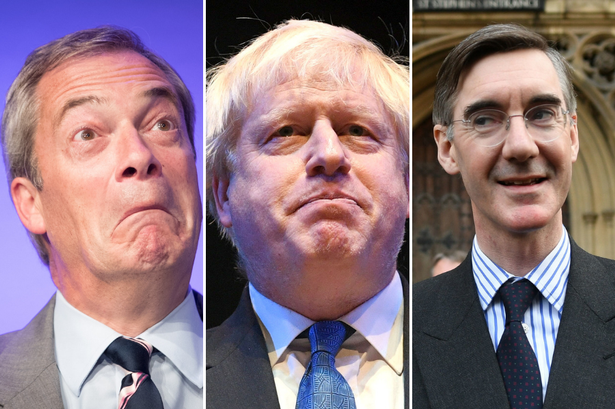
Photo:gloucestershirelive.co.uk
The ‘Independence Day’, Not Long to Go!
……
And Finally, Lest We Forget
Long List of Brexit Lies:
- We send £350m a week to Brussels
- We can’t stop Turkey joining
- We can’t stop a European army
- We are still liable to pay eurozone bailouts
- The UK rebate can be changed against our will
- Our VAT exemptions will be ended
- Cameron’s deal was not legally binding
- EU law is adopted by unelected bureaucrats
- We can’t control our borders in the EU
- Criminals arriving in Germany can get EU passports and come over here
- Health tourism costs us billions
- EU needs UK trade more than vice versa
- Past referendum results have been ignored
- Auditors still refuse to sign off the accounts
- CAP adds £400 to British food bills
- British steel suffers because of the EU
- Irish border will be unaffected by Brexit
- UK can’t deport EU criminals
- UK is always outvoted
- 60-70% of laws come from EU
- Renationalisation of industries is impossible
- We get no veto on future treaty change or integration
- The budget ceiling can increase without our consent
- We thought we were only joining a free trade zone
- (Compiled by Richard Corbett MEP, Leader of the Labour Members of the European Parliament)...Continue to read
- …...
- Now is the time for hope to build on the ruins
Brexit or No Brexit: This is How I Will Make Britain and Boris Good and Great
- My poem of the Month: December- The End and the New Beginning with Hope and Optimism
- ‘Dom of Barnard Castle’ is gone: This is How I Will Make Britain and Boris Good and Great
- Christmas in the time of COVID: Let Love and Kindness be Your Everlasting Gifts
- The Lesson to Learn from Trump’s Chaotic and Shameful Life Journey: Before Becoming Great One Has to be Good
- 'An outpouring of hope': Today the Angel of Democracy and Hope Fired the Evil of Inhumanity and Despair