- Details
- Written by: Kamran Mofid
- Hits: 2069
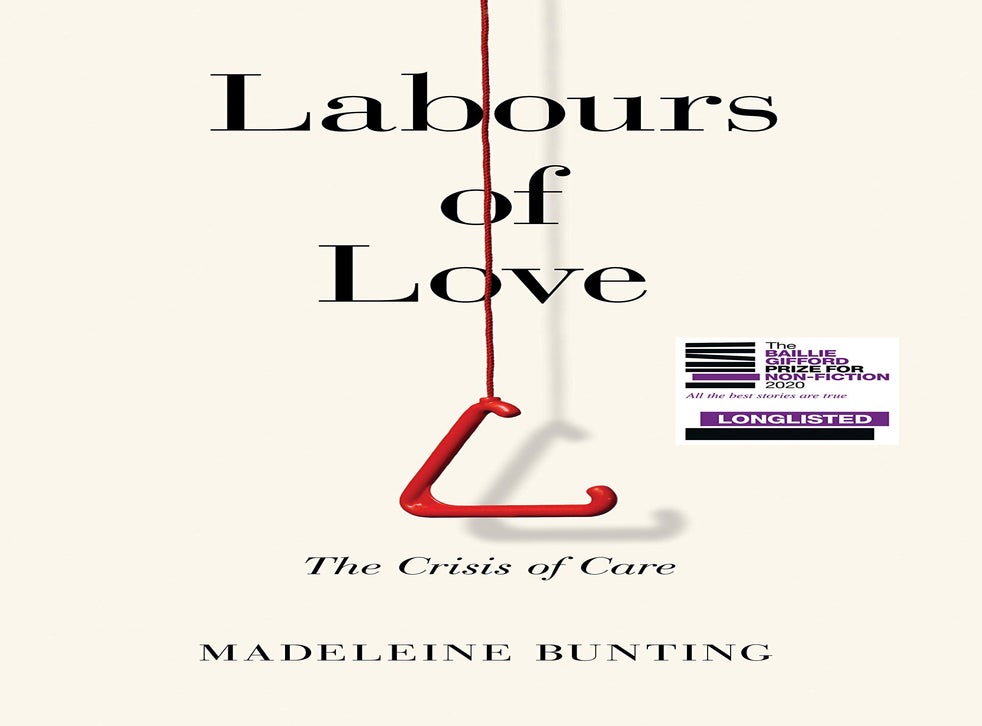
Photo: The Independent
Nota bene
‘A generous heart, kind speech, and a life of service and compassion are the things which renew humanity.’
“As human beings, we will inevitably encounter suffering at some point in our lives. However, we also have evolved very specific social mechanisms to relieve that pain: altruism and compassion.”
“Our poverty in the world is not that of the wallet but rather that of social connectedness.”
......
Kindness is to Care and Caring is to be Kind. Sadly this is what our Values-free World has Forgotten.
To survive and to lead a better, healthier life we need to re-discover the values we once knew and held dear!
Think about it, we may all get sick, we will all get old, weak and vulnerable. We will all need love, support, empathy, caring and humanity.
It is, thus, incumbent on us, to find out more on why and how there is this pandemic crisis in Caring in the world and how it may be reversed.
We must all know what it means to be human.
The Tragedy of Health and Social Care Failings in our Privatised and Monetised World
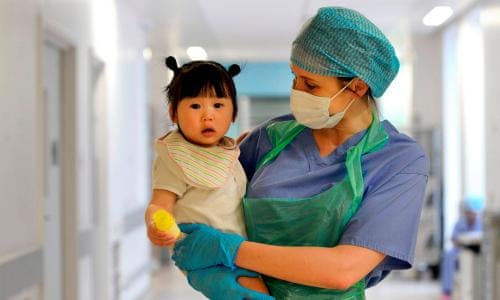
Photo: The Guardian
And moreover:
In the process of privatisation, marketisation, highest returns to the shareholders, largest bonuses to the CEOs and outsourcing our responsibilities, we have now realised that we have also outsourced our humanity and our humane values.
Is this not the time yet to rethink our broken and inhumane neoliberalised, privatised and deregulated market economy and education model?
......
Covid shows why care is in crisis: we have crushed the humanity out of it*
By Madeleine Bunting
‘What I discovered, in five years of research, was a vital activity distorted by
a desire for tickbox efficiency and value for money.’

Photo: The Independent
‘Care is a short word that is ubiquitous, used for the most intimate relationships with vulnerability and dependence from birth to death. Fired by curiosity, I have hunted out people whose lives are dominated by care, either unpaid or as part of their work. I started every interview with the same question: what do you understand by this word care?
From the 19-year-old social care worker to the experienced GP, from the mother of a child with disabilities to the hospice social worker, from the healthcare assistant to the president of the Royal College of Nursing, I have sat and listened over the last five years to fascinating explanations of this “labour of love” – the words they often used. Many started the interview assuring me they had nothing to say, they were “just” carers. Yet by the end of their deeply moving answers, they were astonished at themselves – and even grateful for having had the chance to explain their work. Several said no one had ever asked before.
I saw how many of these individuals were dedicated to a set of values profoundly at odds with wider society and often even with the organisations for which some of them worked. For instance, the healthcare worker on a busy oncology ward sighed that the hospital management seemed to think it was a business, but she told me she knew it couldn’t be: her work was about relationships. And as I shadowed her for a day, I saw how she patiently coaxed an elderly gentleman to wash and reassured another confused patient. She insisted that even when people are dying, they enjoy a joke and a smiling friendly face. The ward’s other healthcare worker showed me the equipment cupboard, labelled with prices; some of the injections were worth more than a shift’s pay, he commented bitterly.
The sense of being beleaguered was true not just of low-paid healthcare assistants and social care workers, but also of GPs, consultants, professors and directors of nursing. They were just as eloquent and impassioned about the fact that the vital, unquantifiable nature of care was being squeezed to the margins. It’s partly a matter of workload but it’s also a deeper, more systemic shift that has been under way for three decades, in which care is reduced to tick boxes in an attempt to standardise this most unpredictable of human activities.
I could see the resulting tussle of priorities: did the healthcare assistant hurry the elderly gentleman in need of a wash? Did the ward sister race round doing the hourly checks, hurriedly filling out the form – an activity that research has shown is a largely pointless exercise? Care has been routinised and bureaucratised in pursuit of reductions in human error and abuse. That has been combined with a quest for efficiency, productivity and value for money – measures many veterans have long argued are of strictly limited use in the field of care. One wise old hand pointed out that prioritising efficiency over all else is dangerous in two realms of human endeavour: war and care. Needless to say, Covid has made this abundantly clear in the latter case.
This type of managerial control of care has been counterproductive, says Alison Leary, a professor of nursing and a former engineer and mathematician. It generates anxiety, andabuse of patients is thus more likely to emerge.
The medical researcher Paquita de Zuleta argues that neuroscience studies have shown how our capacity for compassion is inhibited in threatening and competitive environments. A director of nursing, who didn’t wish to be named, admitted uncomfortably that recently, when she visited a ward, a junior nurse had jumped up from a bedside and apologised for “just talking”. Reflecting on her own training, she feared that something had changed: “Perhaps we don’t value relationships enough socially and culturally.”
Suddenly, my reading and research into the history of care began to make sense. Never having fully appreciated the importance and complexity of care – too often it has been dismissed as women’s work, simply a matter of instinct – we have distorted this vital human labour into an often grotesque box-ticking parody. At the root of our current crisis lies the historic denigration and misunderstanding of care.
Patriarchy was a system built to ensure the provision of free care. Capitalism ensured care was cheap or free. Novelists didn’t write about it, artists didn’t make it the subject of paintings; care did not feature in the grand traditions of western culture and thought. Economists and philosophers took it for granted. Leary’s generation has struggled to free nursing from the gilded cage of being poorly paid angels, saints and doctors’ handmaidens.
During my research I noticed this profound lack of interest in care. When people asked me what I was working on, my answer would prompt their eyes to glaze over: worthy but dull. I began to doubt the value of spending five years with this short word. What emerged was an ambition to at least provoke some curiosity. That would be a start.
It could begin to re-envisage care as a profound source of meaning and human connection, deeply satisfying and taking multiple forms. One senior IT consultant admitted that after a life of not doing the “caring clucky thing”, she had found caring for her sick husband to be the biggest achievement of her life.
This is the paradigm shift that might mobilise the will and political energy required to tackle the shockingly precarious nature of the care economy we have patched together in the last few decades, which was obvious long before Covid ripped into its many shortcomings. Care visits to people’s own home have been squeezed into absurd units of time, rationed to exclude millions in need, while care homes have been loaded with debt by a private sector in danger of collapse, and home closures have resulted in a postcode lottery of provision. Now Covid has left us haunted by the deaths of more than 19,000 care home residents, and no doubt more to come.
A social revolution in the role of women was left half-finished in the 1980s when my generation of feminists set our sights on the workplace, and men failed to step up in sufficient numbers to take on a share of care. Jobs such as care workers and nurses are still predominantly done by women. We might shift the dial if a fraction of the energy and attention of the MeToo movement focused on the crisis of care. It’s analogous to the environmental emergency, only in this crisis the natural resource that is being destroyed or commodified is human relationships and compassion. Capitalism seeks to quantify and extract value, and when such disciplines are applied to the care worker, it is a tragedy. Because what is at stake is the reciprocity of human hearts, the need for comfort, and our innate human capacity to nurture wellbeing and ease suffering.’
*This article by Madeleine Bunting was first published in The Guardian on 15 October 2020.
Madeleine Bunting is an author. Her latest book is Labours of Love, the Crisis of Care
......
Labours of Love: A Humbling Book about Care
'Care, paid and unpaid, is at the heart of society, now more than ever ... this is a moving and absorbing in-depth investigation'
‘The marketisation of care treats it as a product. “Care packages” are “delivered”; satisfaction questionnaires are ubiquitous – nurses are accused of not showing enough “empathy”. “Convenience” and “availability” become the mantras; GP surgeries, open seven days a week, are now a “service industry”. As society has become more medicalised, a consumer mentality encourages the sense of entitlement: a patient clicks her fingers at the nurse to get attention.’
…’What “care” means is a vast subject. It happens everywhere. In the daily maintenance of life in homes and families and in public institutions or social organisations imbued with their own histories and traditions. It is at once deeply intimate and profoundly cultural. Paid or unpaid, the quality of care in our lives is nothing less than sociality itself: it is an index of how we survive as a society and a species. It tells us the value we place on human life.
These essential, existential questions are at the heart of Labours of Love. Madeleine Bunting’s book could easily have become either a furious polemic or a vale of tears. It is neither, though it is angry and very moving. She meant it as a warning in the face of “a crisis of unprecedented proportions” in the provision of health and social care across the UK. With the advent of the coronavirus, its eloquent plea for change has become even more urgent.’...-Continue to read
……
My Ten Steps to Build a Fairer and more Caring World for the Good of All
- Details
- Written by: Kamran Mofid
- Hits: 2585
T.S. Eliot posed the question: "Where is the Life we have lost in living? Where is the wisdom we have lost in knowledge? Where is the knowledge we have lost in information?"...
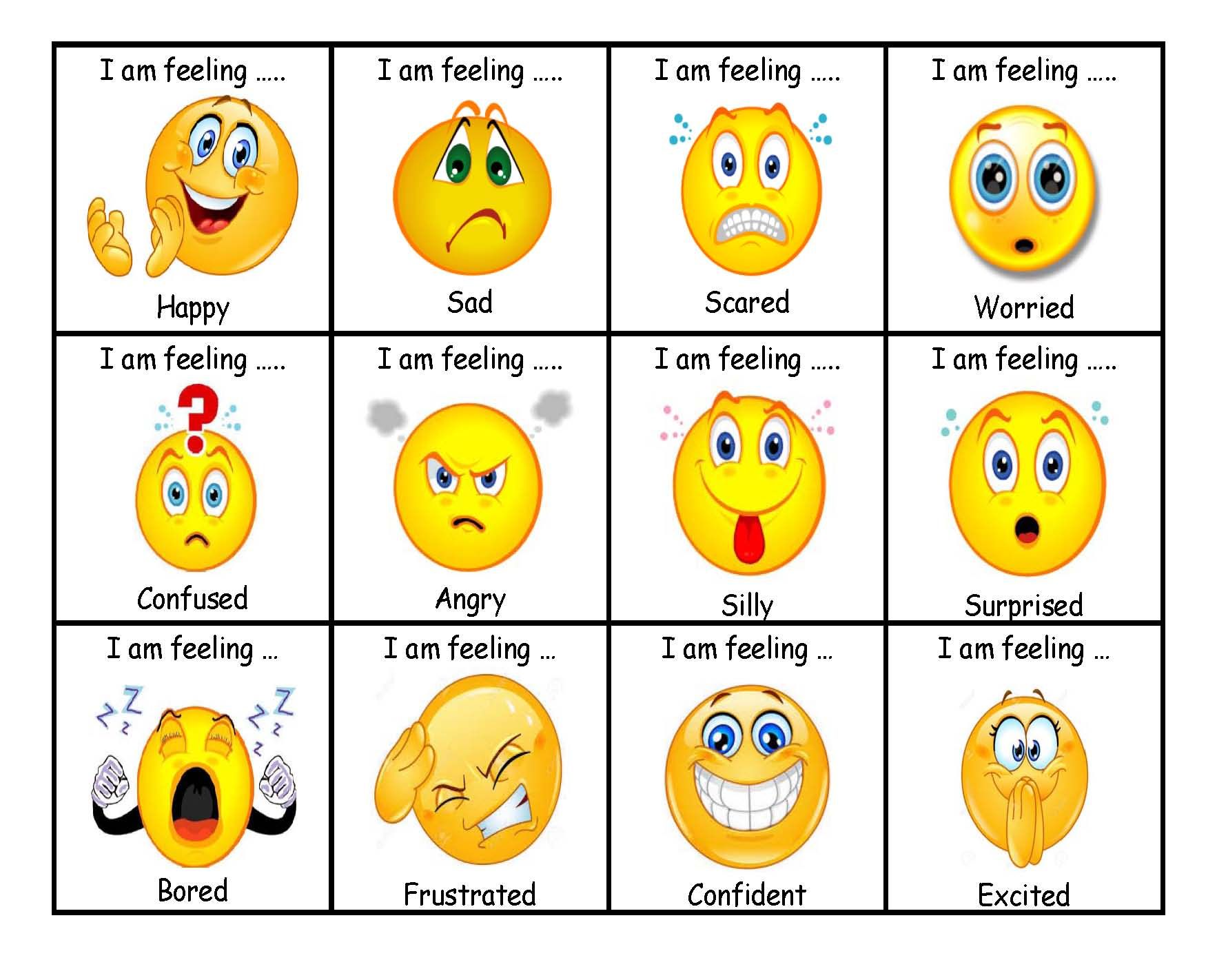
Photo: Pinterest
Social and Emotional Learning and acquiring skills such as active listening, self-awareness, empathy, kindness, love, trust, respect for others, care of mother nature and suchlike, will empower us all to lead a better and a more rewarding life, now and forever.
How to Lead With Emotional Intelligence in the Time of Coronavirus and Beyond

Photo:Pinterest
‘The past year has been tough on all of us, though perhaps on children most of all. A crucial stage of their education and growth is taking place under the shadow of disorder and uncertainty. Difficult times give rise to difficult emotions - anxiety, frustration, boredom, melancholy, self-pity, and many more besides.
‘When dealing with such feelings, we face the problem of articulacy. To fully process our emotions, we first need to be able to recognise, name, describe and give voice to them - a skill we call emotional literacy. Sadly, it’s an ability traditional education often neglects to teach sufficiently.
‘Though developing emotional literacy is particularly crucial for the young (who may be processing such emotions for the first time), it’s just as important for adults. All of us, young and old, need regular help to find words for our difficult feelings.’ - Excerpts from The School of Life
Emotional Education: An Introduction
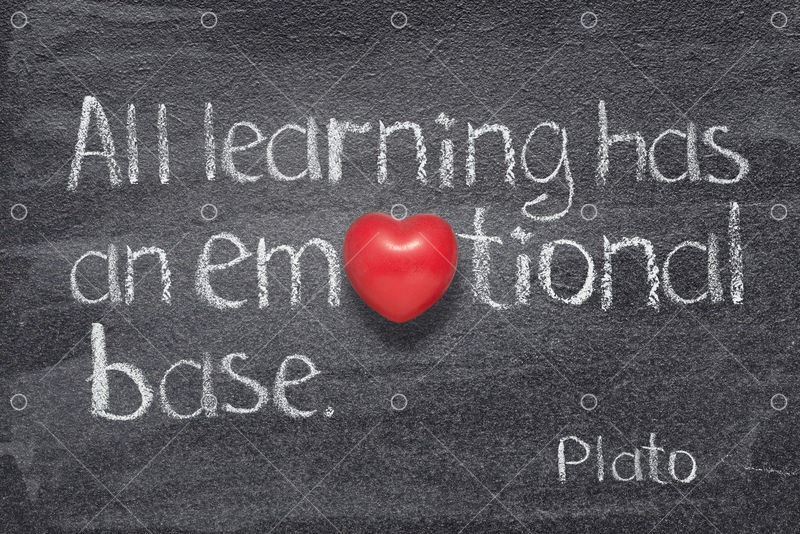
Photo: PIXLR
“Our societies have a huge collective regard for education; but they are also oddly picky in their sense of what we can be educated in. We accept that we will need training around numbers and words, around the natural sciences and history, around aspects of culture and business.
“But it remains markedly strange to imagine that it might be possible – or even necessary – to be educated in our own emotional functioning, for example, that we might need to learn (rather than just know) how to avoid sulking or how to interpret our griefs, how to choose a partner or make oneself understood by a colleague…
“The task before us is therefore how we might acquire a set of emotional skills that could reliably contribute to a capacity for ‘emotional intelligence’…
“Emotional intelligence is the quality that enables us to negotiate with patience, insight and temperance the central problems in our relationships with others and with ourselves. It shows up around partnerships in sensitivity to the moods of others, in a readiness to grasp what may be going on for them beyond the surface and to enter imaginatively into their point of view. It shows up in regard to ourselves when it comes to dealing with anger, envy, anxiety and professional confusion. And emotional intelligence is what distinguishes those who are crushed by failure from those who know how to greet the troubles of existence with a melancholy and at points darkly humorous resilience.”…Emotional Education: An Introduction
I am very pleased and grateful that at the GCGI we’ve understood, appreciated and taken this concept very seriously for a very long time now.
"Educating the mind without educating the heart is no education at all."- Aristotle
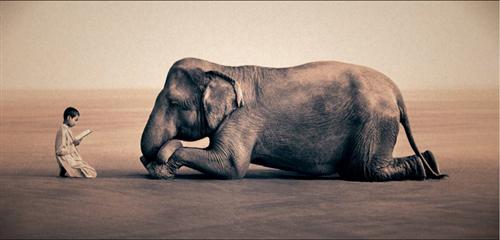
Photo: montville.net
'We live in a world with many complex problems, at all levels, local, regional and global. It is said that education is the key that opens the door to a more harmonious world.
The pertinent question is: What kind of education and learning would help us address these challenges and create a sustainable world and a better life for all?
T.S. Eliot posed the question: "Where is the Life we have lost in living? Where is the wisdom we have lost in knowledge? Where is the knowledge we have lost in information?"
Reflecting on the questions above, we are going to need an education system that respects planetary boundaries, that recognises the dependence of human well-being on social relations and fairness, and that the ultimate goal is human well-being and ecological sustainability, not merely growth of material consumption.
The new education model recognises that the economy is embedded in a society and culture that are themselves embedded in an ecological life-support system, and that the economy can't grow forever on this finite planet.
In short, we need to listen to our hearts, re-learn what we think we know, and encourage our children to think and behave differently, to live more in sync with Nature.
If we do this successfully we can become wiser as a species, more “eco-logical.” We and the planet that gave birth to us can be happier and healthier, healed and transformed.'...The Journey to Sophia: Education for Wisdom
Below I have noted a selection of related readings from the GCGI Archieves for your interest:
Our Emotional Inheritance and the need for Emotional Education
Britain today and the Bankruptcy of Ideas, Vision and Values-less Education
Socio-economic justice and education
A Path to a Spiritual Education for the Common Good: Education for a Just and Sustainable World
Towards an Education Worth Believing In
Yes, it is true: “Education is what makes us fully human”
What if Universities Taught KINDNESS?
Why Happiness Should be Taught at Our Universities
Nature the Best Teacher: Re-Connecting the World’s Children with Nature
On the 250th Birthday of William Wordsworth Let Nature be our Wisest Teacher
A Sure Path to build a Better World: How nature helps us feel good and do good
Finding sanctuary in poetry during lockdown
Reflecting on Life: My Childhood in Iran where the love of poetry was instilled in me
Poetry is the Education that Nourishes the Heart and Nurtures the Soul
The beauty of living simply: the forgotten wisdom of William Morris
- Details
- Written by: Kamran Mofid
- Hits: 6491
Prophet for Our Times: The Life and Teachings of Mohammad-Taqi Bahar
A Journey of Love and Hope
محمدتقی بهار- Mohammad-Taqi Bahar
(10 December 1886, Mashhad- 22 April 1951, Tehran)
‘Bahar was a revolutionary thinker, a tireless democrat, a committed humanist,
and a voracious searcher after truth, whose words and deeds continue to inspire.’
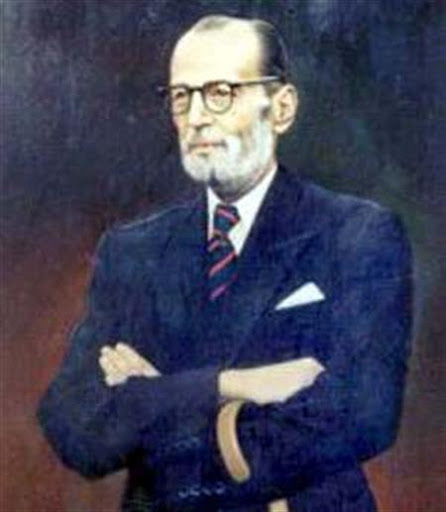
Photo:pinterest
‘Mohammad-Taqi Bahar (Persian: محمدتقی بهار; also romanized as Mohammad-Taqī Bahār; 10 December 1886 in Mashhad – 22 April 1951 in Tehran), widely known as Malek osh-Sho'arā (Persian: ملکالشعراء) and Malek osh-Sho'arā Bahār ("poet laureate," literally: the king of poets), was a renowned Iranian poet, scholar, politician, journalist, historian and Professor of Literature. Although he was a 20th-century poet, his poems are fairly traditional and strongly nationalistic in character…’-Mohammad-Taqi Bahar
Below, I wish to quote the poem by Bahār, which has over many years now, nourished and nurtured my soul. I had noted this, in more details, in a recent posting, honouring and celebrating the life of Ostad (Master) Mohammad Reza Shajarian who embodied the timeless beauty of Persian music.
“O God, O Universe, O Nature, Turn our dark night into Dawn” - MORḠ-E SAḤAR (Bird of Dawn)
(Morghe Sahar in Persian means “mourning dove.”)
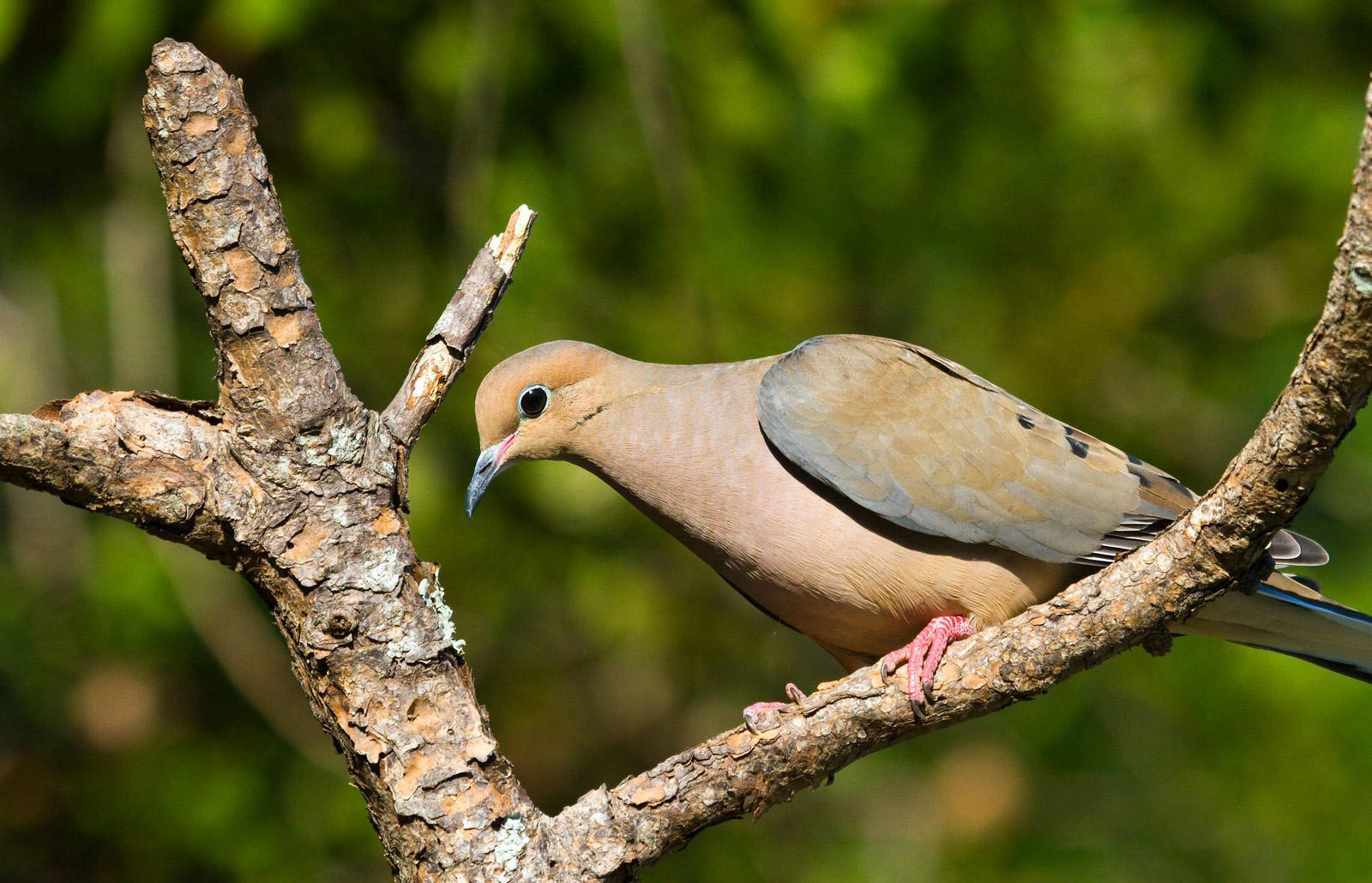
Photo: Mark Eden, Via AUDUBON
Bahar’s Poem of Freedom: MORḠ-E SAḤAR
“O God, O universe, O nature
Turn our dark night into dawn…..
Now is spring, flowers have bloomed
Clouds in my eyes are filled with dew
This cage, like my heart,
Is narrow and dark
Oh fiery sigh! start a flame in this cage!”
And with a breath, set fire to the battlefield
Of the mass of this earth
The cruelty of tyrants and the injustice of hunter
Have broken my nest to the winds”
“O Morning bird, mourn!
O Morning bird, mourn!
Further renew my pain
with a burning sigh break this cage and overturn it
Wing-tied nightingale, leave the corner of this cage
Compose the song of freedom for humanity...’
This poem, has become the national anthem of freedom in Iran and was famously sung by Mohammad Reza Shajarian.
......
The Poet’s Daughter: Malek O’Shoara Bahar of Iran and the Immortal Song of Freedom
A Book for Our Time: A Book that Speaks to Us Now
‘The many books and articles written about Bahar have focused on his work rather than on the man, on his fame as one of the greatest neoclassical poets in Iran since the 14th century, and his pursuit of social reform and freedom for the Iranian people through his writings, politics, and academic work.
'I would like to take you by the hand and lead you back in time, through the rooms my father inhabited, the flowers he gazed upon, the books that sustained him, the trees under which he sat, and the family that he loved. By taking this journey with me, I hope you will gain a sense of my father and his family within our private world, a world we affectionately called PARADISE.’- Parvaneh Bahar
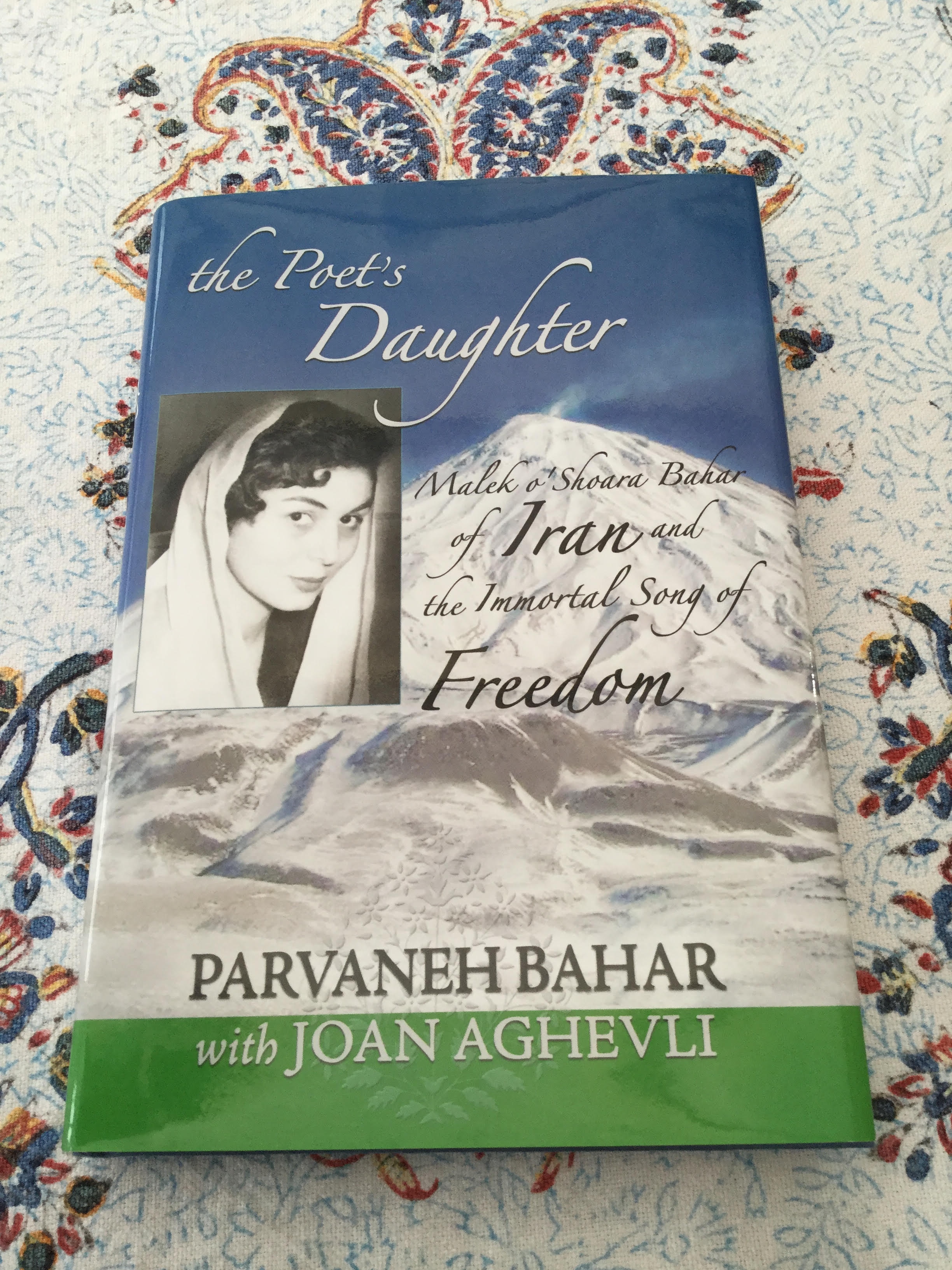
This is my own copy of the book, very much loved and cherished, Kamran-Photo: Kamran Mofid
‘As the daughter of this famous but persecuted writer, academic and politician, Parvaneh grew up amidst the intellectual and political turmoil of her father’s involvement in the democracy movement in Iran. Suffering through his imprisonments, sharing his exile, and accompanying him to Switzerland to seek a cure for his tuberculosis, she absorbed his teaching and his passion for the freedom and dignity of all people. These themes became a template for her own life, and she carried them with her when she came to the US in the 1950s as the young wife of a diplomat, learning the ropes as a Washington hostess while throwing herself into the Women’s Movement and marching behind Dr. Martin Luther King in Alabama.
Parvaneh's memoir, The Poet's Daughter, portrays Iran in the early and mid-20th century and the vital role her father played as the "King of Poets". He is still revered as the greatest poet and visionary of the 20th century. In street protests in 2009, street demonstrators sang his poems of freedom. Her life has been dedicated to fighting for social justice for all including equal rights for women.’- Excerpts from CMES, Harvard University.
From the Inside Flap
They called it Paradise, their beautiful home just outside old Tehran, and nurtured there a close bond of mutual love and respect for intellectual freedom. It was a magnet for leading thinkers and activists, who visited regularly for conversation with their best living poet and tireless champion of democracy, human rights, and women's empowerment Malek o Shoara Bahar. Then one morning the children watched in horror as police dragged him away . . . Intimate and emotionally engaging, this powerful and timely memoir introduces western readers to the high-profile Iranian hero Malek o Shoara Bahar whose freedom poem Morghe Sahar ( Bird of the Dawn ) is sung regularly with great passion at rallies for human rights throughout Iran. Bahar (1882 1951) tuned his political idealism and vast poetic gifts to Iranian s deepest feelings, championing democracy, freedom, and social justice. He is revered internationally by progressive Iranians and celebrated as Iran's best poet of the 20th century, many say of the past 500 years."
From the Back Cover
"The Poet's Daughter is an engrossing coming-of-age tale of a Persian girl torn between devotion to her father--Bahar, the last icon of classical Persian poetry--and her own relentless desire to fashion for herself an identity as an independent, assertive modern woman. . . The beguiling simple elegance of the narrative never shies away from the harsh and heroic realities of the story." --Abbas Milani, Director of Iranian Studies, Stanford University, author of The Shah
"Parvaneh emerges from these pages as a role model for women everywhere who struggle to be heard. . . one of the rings in a chain of liberated women who speak the truth to a world ready to listen." --Shahrnush Parsipur, author of Women Without Men
" A touching evocation of a man, a great poet, a powerful political figure, as told by his loving daughter. . . You will learn a lot in this book about Iran and about poetry and about women. You will be deeply moved." --Marvin Zonis, Professor Emeritus, The University of Chicago and author of Majestic Failure: The Fall of the Shah and the Political Elite of Iran
"An absorbing memoir of an ongoing rich life that spanned much of the 20th century and is freshly relevant today--as thousands of Iranians rally in the streets for freedom, singing the anthems of the author's father, Malek o'Shoara Bahar." --Barbara Meade, co-founder and owner, Politics and Prose
"Malek o'Shoara Bahar was the enlightened cultural father of all Iranians who lived after him. The Poet's Daughter reveals untold minutia about the hardships that Iran's most prominent poet and literary scholar of the 20th century had to endure in his pursuit of democracy for his country. I highly recommend it to all readers." --Masoud Askari Sarvestani, Ph.D, Editor, Rahavard Persian Journal
"I recommend this book to everyone; not only does it weave a beautiful spell with its artful rendering of scenes. . . it speaks of the deep love between father and daughter, as well the inseparability of art and freedom." --Dr. Helene Saraj, Director, Foundation Culturelle Bahar, Paris"
A selection of related topics from the GCGI Archives:
My Poem of the month (October): MORḠ-E SAḤAR (Bird of Dawn)
Modern Iran: The Most Misunderstood Country
The Art of Persia: The Everlasting Magnificent Story of Beauty, Wisdom and Love
Cradle of god: Spirituality in the Land of the Noble
Revisiting the Persian cosmopolis: The World Order and the Dialogue of Civilisations
Zoroastrianism the ancient religion of Persia that has shaped the world
The healing power of ‘Dawn’ at this time of coronavirus crisis
Simorgh tells me: We are the leaders we have all been searching for
Embrace the Spirituality of the Autumn Equinox and Discover What it Means to be Human
On the 250th Birthday of William Wordsworth Let Nature be our Wisest Teacher
Finding sanctuary in poetry during lockdown
Reflecting on Life: My Childhood in Iran where the love of poetry was instilled in me
Poetry is the Education that Nourishes the Heart and Nurtures the Soul
- My Poem of the month (October): MORḠ-E SAḤAR (Bird of Dawn)
- 'Creation Is Groaning!': A Wake-up Call
- Fraternity, Social Friendship, the Common Good, Seeking what is Morally Good
- Love and the common good to heal the wounds of the coronavirus crisis: Pope Francis
- Racism and the Whitesupremacy in the US: Now and Then