- Details
- Written by: Kamran Mofid
- Hits: 1933
‘The wounds inflicted by the coronavirus crisis will only be healed if we put the common good first.- Pope Francis
GENERAL AUDIENCE
San Damaso courtyard
Wednesday, 9 September 2020

Pope Francis pictured at his general audience in the San Damaso Courtyard at the Vatican Sept. 9, 2020.
Photo: Daniel Ibáñez/CNA
A Summary of the Pope’s Address:
‘Dear Brothers and Sisters, in our reflections on the current pandemic in the light of the Church’s social doctrine, we have seen that the common good must be the goal of our individual and collective efforts to heal our wounded world. Our Christian commitment in this regard is inspired by God’s unconditional love, which calls us to set no limits on our love for others and our concern for their welfare. As members of the one human family, our wellbeing is a public not simply a private good. By placing every human person and the common good at the centre of our cultural, economic and political activity, we will create a genuinely healthy, just and peaceful world, and so contribute to the building of a true “civilization of love”. The coronavirus heeds no cultural or political barrier or distinction – nor must we impose any barrier or distinction on our love as we work for the common good in responding to the grave problems brought to the fore by the pandemic, in fidelity to our Christian vocation.’
“A virus that does not recognize barriers, borders, or cultural or political distinctions must be faced with a love without barriers, borders or distinctions,” the Pope said on September 9 in the San Damaso Courtyard within the Vatican’s apostolic palace.
His general audience address, on “Love and the common good,” was part of a catechetical cycle entitled “Healing the world,” which the Pope launched on August 5. The cycle focuses on how the Church’s social doctrine can help the world to recover from the ravages of COVID-19, which has killed almost 898,000 people worldwide as of September 9, according to the Johns Hopkins Coronavirus Resource Center.
Before the audience, the pope spent time mingling with pilgrims, who stood at the barriers wearing face masks. When he reached the podium, he asked them to return to their carefully spaced-out seats in order to prevent the potential spread of the virus. It was only his second Wednesday audience with pilgrims since February due to the pandemic.
The audience began with a reading in several languages from Matthew 15:32-37, a passage known as the Feeding of the Four Thousand, in which Jesus feeds the multitude with seven loaves and a few fish.
“The crisis we are living due to the pandemic is affecting everyone; we will emerge from it for the better if we all seek the common good together,” the pope said, according to an unofficial translation provided by the Holy See press office.
Sadly, however, “partisan interests” were emerging.
“For example, some would like to appropriate possible solutions for themselves, as in the case of vaccines, to then sell them to others. Some are taking advantage of the situation to instigate divisions: by seeking economic or political advantages, generating or exacerbating conflicts. Others simply are not interesting themselves in the suffering of others, they pass by and go their own way. They are the devotees of Pontius Pilate, washing their hands of others’ suffering,” he said.
In contrast, the Christian response to the pandemic and resulting socio-economic crisis should be rooted in the love of God, which enables people even to seek the good of their enemies.
“Certainly, to love everyone, including enemies, is difficult — I would say it is even an art! But an art that can be learned and improved. True love that makes us fruitful and free is always expansive, and love is not only expansive, it is inclusive. This love cares, heals and does good,” the pope said.
Christian love also extends to civil and political relationships, he explained, as well as our relationship with nature.
“Since we are social and political beings, one of the highest expressions of love is specifically social and political which is decisive to human development and in order to face any type of crisis,” he said.
“We know that love makes families and friendships flourish; but it is good to remember that it also makes social, cultural, economic and political relationships flourish, allowing us to construct a ‘civilization of love,’ as St. Paul VI used to love to say and, in turn, St. John Paul II. Without this inspiration, the egotistical, indifferent, throw-away culture prevails.”
Pope Francis told pilgrims that when he arrived for the audience he spoke to a married couple who asked for his prayers because they had a disabled child. He said that they had dedicated their whole lives to their son and suggested that they were an example of the love that we must show to all, including our political adversaries.
“The coronavirus is showing us that each person’s true good is a common good, not only individual, and, vice versa, the common good is a true good for the person. If a person only seeks his or her own good, that person is egotistical. Instead, the person is kinder, nobler, when his or her own good is open to everyone, when it is shared,” he said.
“Health, in addition to being an individual good, is also a public good. A healthy society is one that takes care of everyone’s health, of all.”
The pope said that love can help to build new social structures marked by creativity, trust and solidarity.
“Conversely, if the solutions for the pandemic bear the imprint of egoism, whether it be by persons, businesses or nations, we may perhaps emerge from the coronavirus crisis, but certainly not from the human and social crisis that the virus has brought to light and accentuated,” the Pope observed.
He added that a just and peaceful society could only be built upon the rock of the common good.
“And this is everyone’s task, not only that of a few specialists,” he said. “St. Thomas Aquinas used to say that the promotion of the common good is a duty of justice that falls on each citizen. Every citizen is responsible for the common good. And for Christians, it is also a mission. As St. Ignatius of Loyola taught, to direct our daily efforts toward the common good is a way of receiving and spreading God’s glory.”
He suggested that, while politics has a bad reputation, a good politics that puts the human person and the common good at its center is still possible. Christians can demonstrate this by exercising the virtue of charity, which has an “intrinsic social dimension.”
He concluded: “It is therefore time to improve our social love — I want to highlight this: our social love — with everyone’s contribution, starting from our littleness. The common good requires everyone’s participation. If everyone contributes his or her part, and if no one is left out, we can regenerate good relationships on the communitarian, national, and international level, and even in harmony with the environment.”
“Thus, through our gestures, even the most humble ones, something of the image of God we bear within us will be made visible, because God is the Trinity, God is love … With His help, we can heal the world working, yes, all together for the common good, for everyone’s common good.”
After greeting members of different language groups, the Pope noted that September 9 was the first International Day to Protect Education from Attack. The day, established in May by the United Nations General Assembly, highlights the plight of the more than 75 million children worldwide whose schooling is disrupted by violence.
He said: “I invite you to pray for students who are seriously deprived of the right to education due to war and terrorism. I urge the international community to do its utmost so that the structures that must protect young students be respected. May efforts that guarantee safe environments for their education not wain, above all in situations of humanitarian crises.”
*See the original article HERE
See also: Common good, not greed, must motivate search for vaccine, pope says
See more related articles:
"Caritas in veritate"(Charity in Truth):Economics and Theology Together Again
Catholic Social Teaching: A New Socioeconomic Zeitgeist?
Pope Francis urges the world leaders to provide “for the common good”
A reflection on ‘Evangelii Gaudium’, Apostolic Exhortation of Pope Francis
Pope Francis: Remember two things- human dignity and the common good
- Details
- Written by: Kamran Mofid
- Hits: 2141
Privilege, Exceptionalism, Pathology, Power, and the Trumps
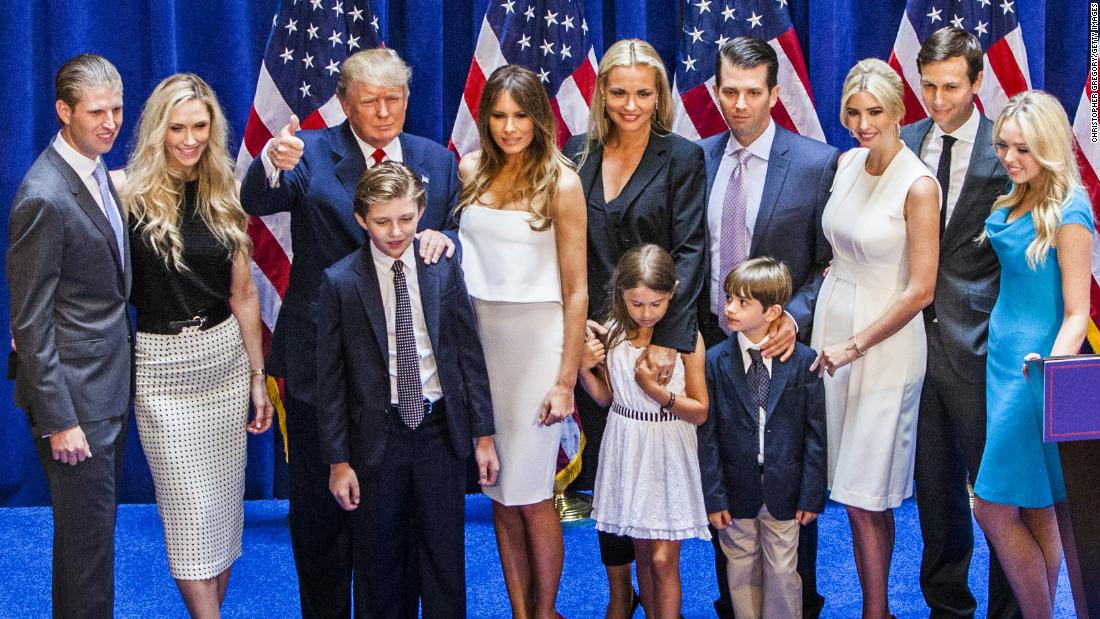
Photo: CNN
The Ongoing saga of America’s Moral and Spiritual Bankruptcy
Then...
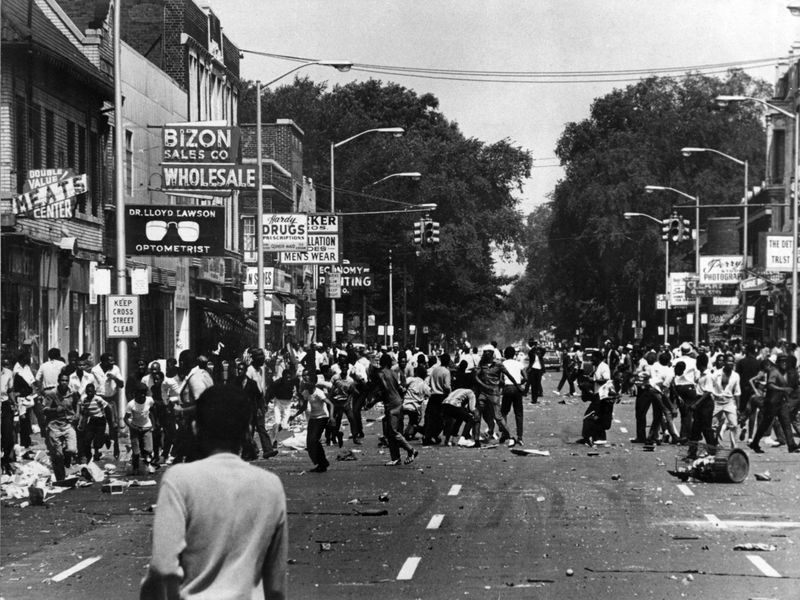
Scene from the 1967 Detroit riot. (Keystone Pictures USA / Alamy Stock Photo), via SMITHSONIANMAG.COM
And Now…
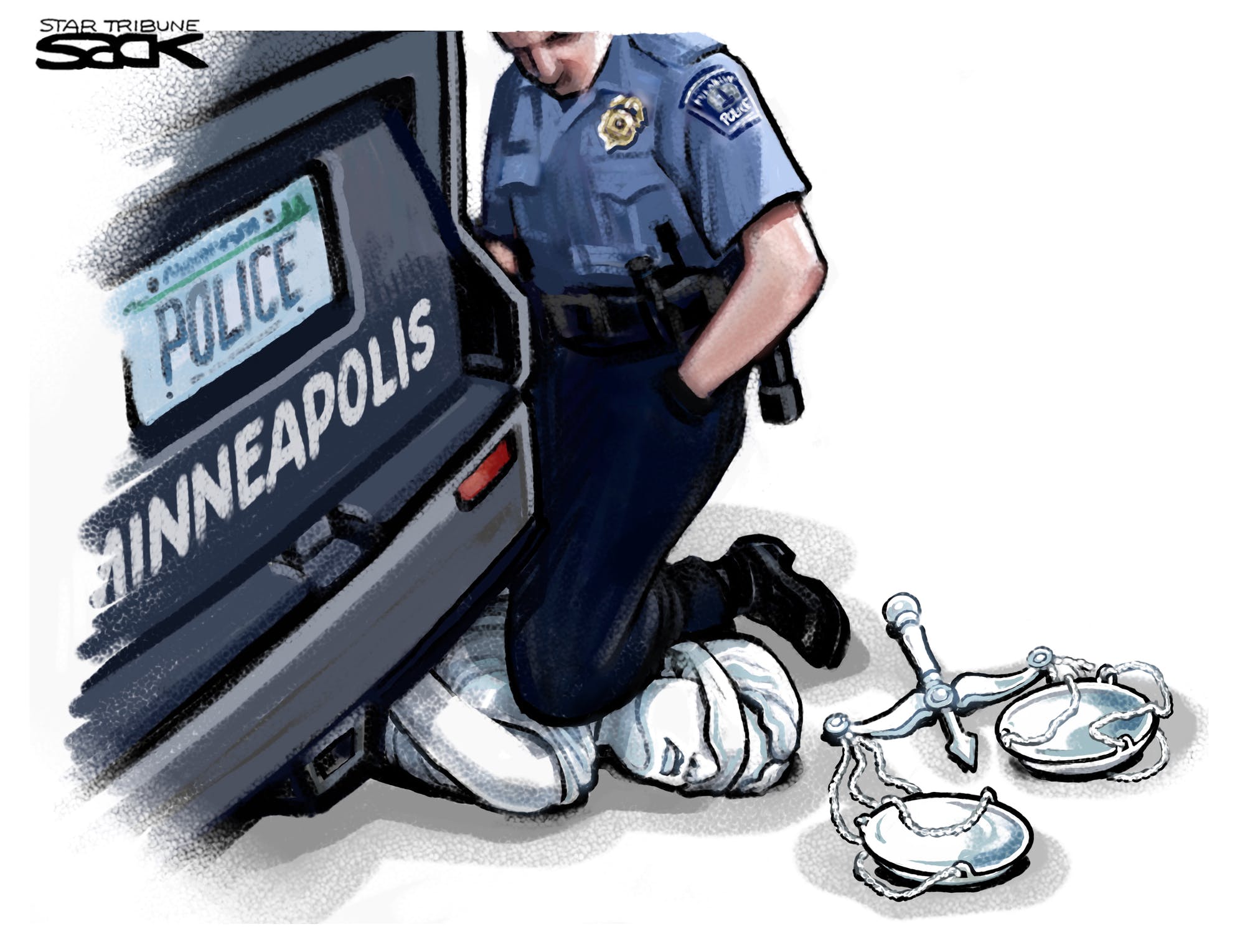
Drawing by Steve Sac, Star Tribune
‘Half a century ago, a special commission assembled by President Lyndon Johnson was tasked to better understand the causes of racial unrest in the nation. The result was the landmark 176-page report, “The America of Racism." Better known as the “Kerner Report,” the massive undertaking—done by National Advisory Commission on Civil Disorders, headed by Otto Kerner, then-governor of Illinois—examined cultural and institutional racism in the United States, from segregated schools and neighborhoods to housing discrimination, cycles of poverty and lack of employment opportunities.’- Study Shows Little Change Since Kerner Commission Reported on Racism 50 Years Ago
And now, fifty years later, ‘if you look at the institutional racism, the implicit and explicit biases, the stereotypes, and the vicious cycle that continues to rob black males of freedom and opportunity, it seems just as true today.’
What A 1968 Report Tells Us About The Persistence Of Racial Inequality
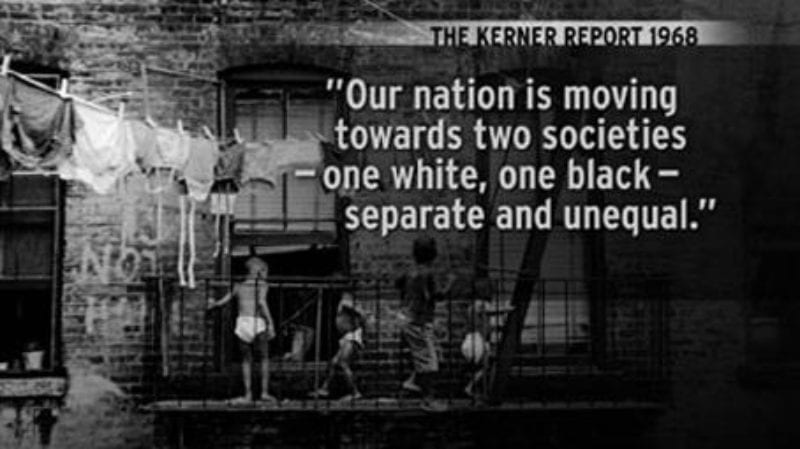
Photo: YouTube
‘In summer of 1967, African Americans protested, marched, and rioted in cities across the country. The unrest convinced President Lyndon Johnson to set up the Kerner Commission, which spent about six months doing research, visiting slums, and holding hearings. In 1968, they published a provocative report that civil rights leader Jesse Jackson recently called "the last attempt to address honestly and seriously the structural inequalities that plague African Americans."
"Segregation and poverty have created in the racial ghetto a destructive environment totally unknown to most white Americans," the Kerner report said. "What white Americans have never fully understood — but what the Negro can never forget — is that white society is deeply implicated in the ghetto. White institutions created it, white institutions maintain it, and white society condones it."
Fifty years later, Americans are taking to the streets again, protesting systemic inequities that haven't gone away. How much has really changed?’...Continue to read
The 1960s report that told the USA it was racist
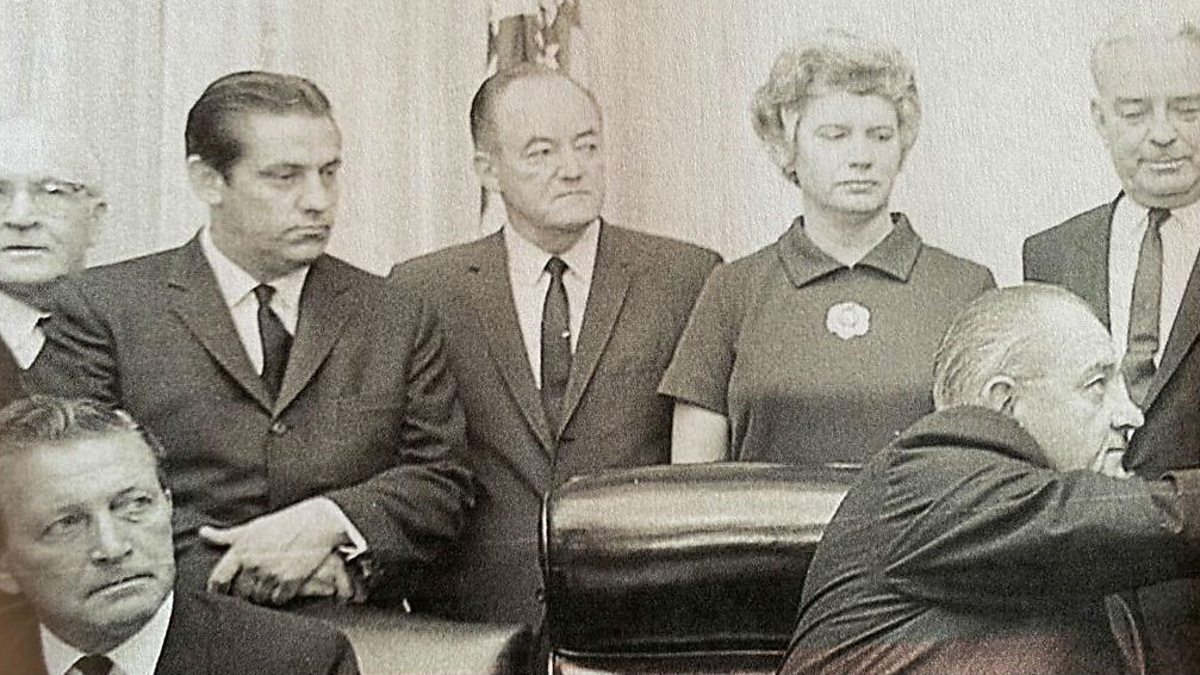
Photo: BBC
In the summer of 1967 more than 100 cities in America were caught up in riots. US Senator Fred Harris urged the President, Lyndon B Johnson, to investigate the causes.
He set up the Kerner Commission and appointed Fred Harris as one of 11 members to find out why America was burning. The final report shocked many Americans when it blamed white racism for creating and sustaining black ghettos.
Fred Harris spoke to Witness History about that summer.
See also: White Privileges and sense of Exceptionalism and Racism in America
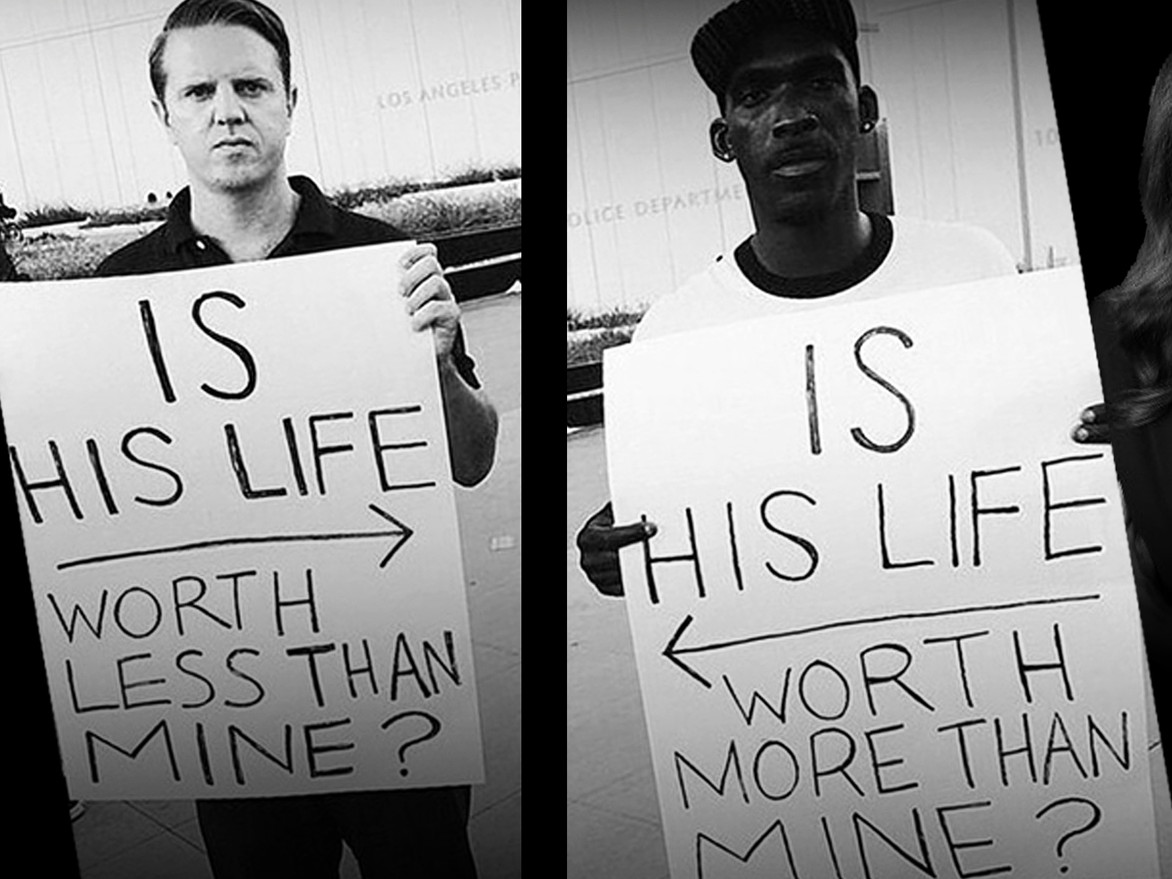
Photo: PBS
The concept of there being "two Americas" is almost as old as the nation itself. From the outset there were the landowners, the ruling class - the "haves". And then there were the have-nots. That divide has been economic but also racial, with minorities claiming a disproportionately small share of the nation's substantial wealth.
And yet, a 2013 Pew Research Center study showed that half of white Americans surveyed do not feel that African Americans are treated less fairly by the police, employers, doctors and others. Only 13% of blacks felt the same way. Amid the current backdrop of the Black Lives Matter movement and increasing wealth disparity, Clive Myrie from the BBC's This Week's World delves into what white Americans understand - or don't - about race.
Watch the video: Inside the mind of white America - BBC News
See more: Trump’s racism and American exceptionalism
The belief that America is exceptional is based on the old colonial misconception that power bestows moral superiority.
Read more:
‘Over the last two centuries, prominent Americans have described the United States as an "empire of liberty," a "shining city on a hill," the "last best hope of Earth," the "leader of the free world," and the "indispensable nation." These enduring tropes explain why all presidential candidates feel compelled to offer ritualistic paeans to America’s greatness... Most statements of "American exceptionalism" presume that America’s values, political system, and history are unique and worthy of universal admiration. They also imply that the United States is both destined and entitled to play a distinct and positive role on the world stage…’
The Myth of the ‘Promised’ Land
Mr. Trump, this is not the way to make America great again!
The American Emperor Has No Clothes
‘I have a Dream’, 57 Years On and Why We Must Carry on Imagining the Dream
And finally, this is not the way to make America Great
- Details
- Written by: Kamran Mofid
- Hits: 1926
The Coronavirus outbreak brings up broad moral and spiritual questions
In an era of neoliberal ideology of individualism and selfishness, COVID-19 has made us realise how badly we depend on real life social interaction, within our communities, and with family, friends and fellow citizens, sharing love, beauty, joy and laughter,
things that our current monetised global leaders, as it seems, have never heard of!
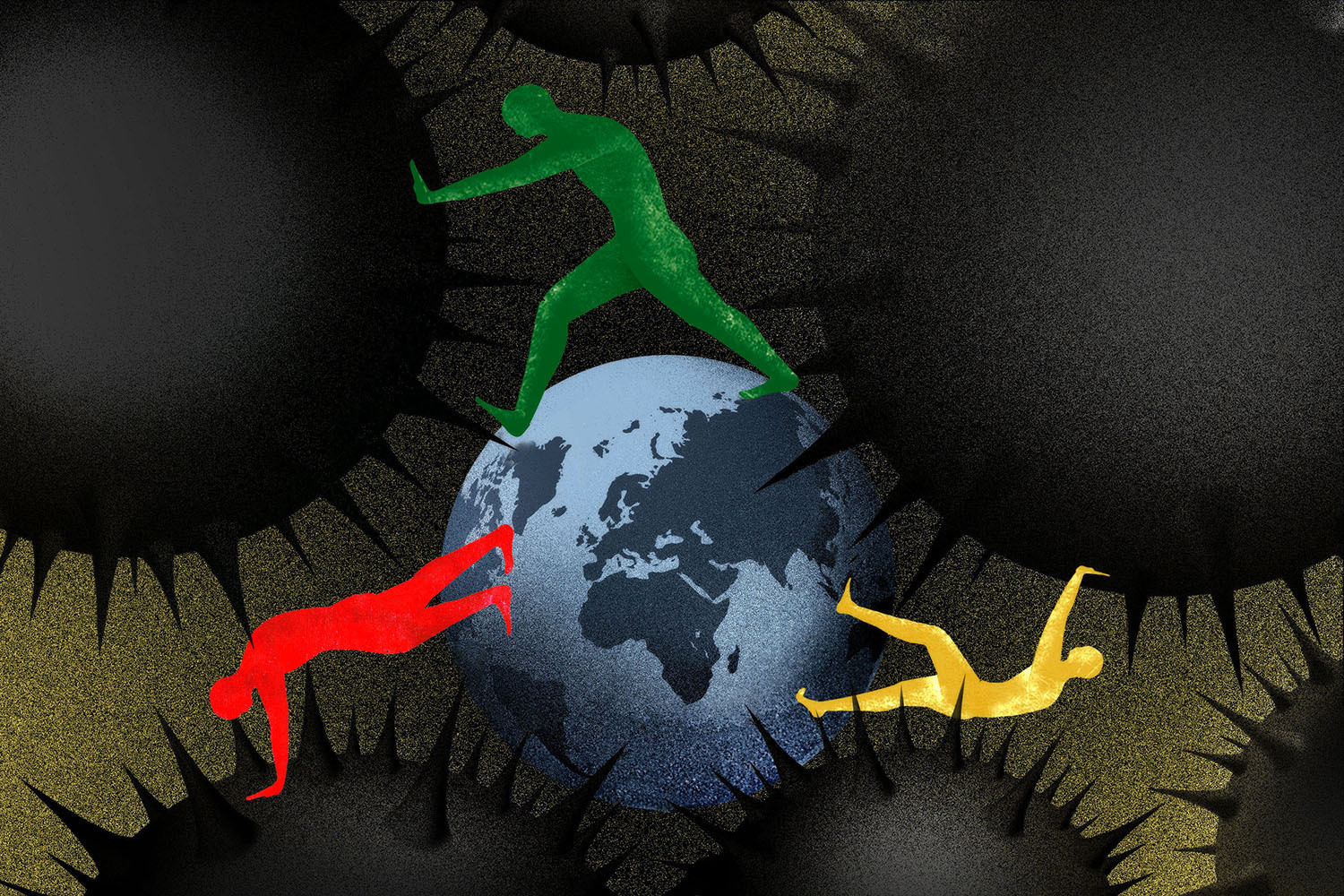
Photo:Foreign Policy
The undeniable collapse of integrity, honesty, trust, kindness and decency- by and large- in our public and private life has fueled racial hatred, intolerance, anger, anxiety and contempt.
In the face of the global pandemic catastrophe where is our leaders’ moral and spiritual compass?
Even a cursory look at trends in human behavior will instantly reveal that kindness, compassion, sympathy, empathy and good are on the decline all over the world, while greed, selfishness, narcissism, corruption, and cruelty are on the rise.
This, therefore, brings me to the following pertinent questions:
What in the world has happened to the moral and spiritual compass? Where has the Common Good gone?
The Time is Now to Speak Truth to Power
‘Our last and only hope is prophetic fightback – a moral and spiritual awakening that puts a premium on courageous truth telling and exemplary action by individuals and communities.’- Cornel West
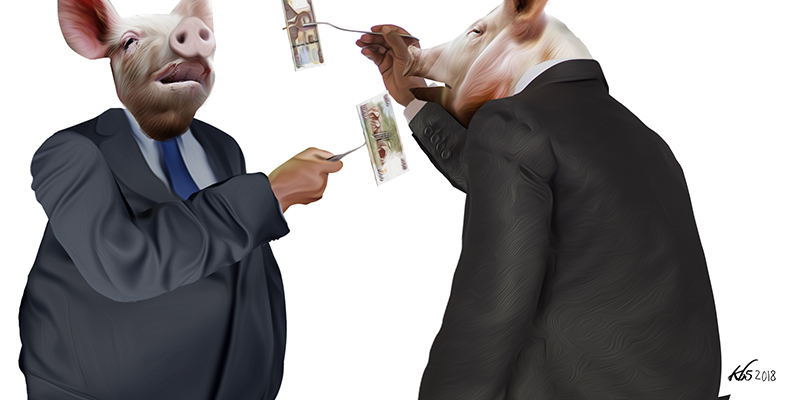
Photo: The Elephant
It is no exaggeration to say that millions of people around the world are disheartened as they watched Trump and Biden descend into bitter dualistic debate, deteriorating into an ugly display of contempt, and the world’s leaders everywhere struggle with the immense task of holding their countries together, navigating their path through the global impact of the coronavirus pandemic.
As these and other events unfold on the global stage, where and when our political culture is becoming more and more polarized, the question of moral and spiritual leadership remains uppermost in our minds. What qualities do we need to galvanise others for the common good? How do we hold conflicting narratives without conflict? And where are our role models?
May I dare, with total humility, suggest that one source of inspiration for us, can be our own GCGI itself, where over
the last many years we have connected our intellect with our humanity and moral compass.
We have recognised that our socio-economic problems are closely linked to our spiritual problems and vice versa. Moreover, socio-economic justice, peace and harmony will come about only when the essential connection between the spiritual and practical aspects of life is valued. Necessary for this journey is to discover, promote and live for the common good. The principle of the common good reminds us that we are all really responsible for each other – we are our brothers' and sisters' keepers – and must work for social conditions which ensure that every person and every group in society is able to meet their needs and realize their potential. It follows that every group in society must take into account the rights and aspirations of other groups, and the well-being of the whole human family.
One of the greatest challenges of our time is to apply the ideas of the global common good to practical problems and forge common solutions. Translating the contentions of philosophers, spiritual and religious scholars and leaders into agreement between policymakers and nations is the task of statesmen and citizens, a challenge to which Globalisation for the Common Good Initiative (GCGI) adheres. The purpose is not simply talking about the common good, or simply to have a dialogue, but the purpose is to take action, to make the common good and dialogue work for all of us, benefiting us all.
In short, what the GCGI seeks to offer - through its scholarly and research programme, as well as its outreach and dialogue projects - is a vision that positions the quest for economic and social justice, peace and ecological sustainability within the framework of a spiritual consciousness and a practice of open-heartedness, generosity and caring for others. All are thus encouraged by this vision and consciousness to serve the common good.
Furthermore, as our world becomes increasingly polarised,selfish and self-centred, we also cannot overestimate the profound need for leadership which can stretch beyond the opposites of self and others to recognise the common humanity behind different identities, life experiences, abilities, opportunities, cultures and civilisations.
I recall how passionately, as an ambassador for the common good, I have spoken about these and other similar issues at international conferences in many different parts of the world:
Kamran Mofid Speaking for the Common Good
The 3rd Annual International Conference on An Interfaith Perspective on Globalisation for the Common Good
The Middle East and Globalisation for the Common Good, 26-31 March 2004, Dubai
“A Businessman and an Economist in Dialogue for the Common Good”
……
Globalisation for the Common Good
Invited seminar convened by
The Revd Canon Vincent Strudwick
Chamberlain and Fellow Emeritus,
Kellogg College,
Emeritus member of the Theology Faculty,
University of Oxford
(Mawby Pavilion, Rewley House, June 5th 2008)
......
Globalisation and Education for the Common Good: A Path to Sustainability, Well-being and Happiness
Dalhousie School of Business, Dalhousie University, Canada Public Lecture Presented at School of Business Administration
Dalhousie University Wednesday 3 November 2010
Globalisation and Education for the Common Good
......
Overcoming Greed, Dishonesty and Delusion: Reclaiming the Moral and Spiritual Roots of Economics
A paper presented at
AN INTERFAITH DAY IN LONDON
Into the Heart of the World
Sponsored by
International Association for Religious Freedom; with World Congress of Faiths & Religions for Peace
Hosted at
London Central Mosque & The Islamic Cultural Centre 7 December 2011
Theology, Philosophy, Ethics, Spirituality and Economics: A Call to Dialogue
......
Awakened World 2012: Engaged Spirituality for the 21st Century
Rome- Florence, Italy
October 13-21, 2012
Pursuing Common Values: A Call to Recover our Moral and Spiritual Imagination, Transforming Society
......
“Rethinking the Global Economic Order”
Beyond the Wasteland: Seven Common Good Steps to Build a Compassionate World
Antalya Forum, 29 November-2 December 2012
......
Center for Global Dialogue and Cooperation, Vienna, Austria
The 3rd CGDC Annual Meeting "Dialogue and Cooperation for Change"
3-4 December 2013, Palais Liechtenstein, Vienna
A Call to Recover our Moral and Spiritual Compass: 3rd CGDC Annual Meeting-Vienna
......
"The Value of Values to Build a World for the Common Good"
World Congress of Faiths, Annual General Meeting
London School of Economics, University of London
The Alumni Theatre, New AcademicBuilding (NAB)
Wednesday 20 May 2015
Economics, Globalisation and the Common Good
......
Global Ethics Forum
A Project of
Globethics.net
Responsible Leadership in Action
The Value of Values
25-27 June 2015, Geneva, Switzerland
Responsible Leadership in Action, Geneva, June 2015
......
"Values to Make the World Great Again”
Oxford Theology Society, Keble College-University of Oxford, 8 March 2017
Oxford Theology Society Lecture: Values to Make the World Great Again
......
Cortona Week in Todi, 22-29 June 2019– Being Human in a Technological World
The Recovery of Wisdom: in this Age of Virtual Reality and Faking, what can I teach my Students?
......
...And here are also literally 100s and 100s of articles, blogs and postings too, which shed light on our work on the common good, moral and spiritual compass and much more. Interested readers can access them below:
And there you have it!
Thus, perhaps, when it comes to a moral and spiritual leadership for the common good, may I dare with total humility, suggest that one source of inspiration for us can be our GCGI itself, where over the last many years we have connected our intellect with our humanity and moral compass.
- The Case for Degrowth: It is urgent, necessary, and greatly needed for our survival
- Rethinking What Really Matters in the Era of Pandemic
- An Inspiring Values-led children's book about the global economy and the future of work
- ‘Black women best’: They Can Build a Better Economy
- Embrace the Spirituality of the Autumn Equinox and Discover What it Means to be Human